Meal Prep system: Your guide to Prepping and Portioning Meals
Meal prep has exploded in popularity and for good reason. With busy schedules, rising grocery prices, and the desire to eat healthier, meal prep has become one of the smartest kitchen habits you can build.
The concept is simple. Prepare meals ahead of time, portion them into containers, and enjoy ready-to-eat food throughout the week. Instead of cooking every day, you cook once and enjoy the benefits all week long.
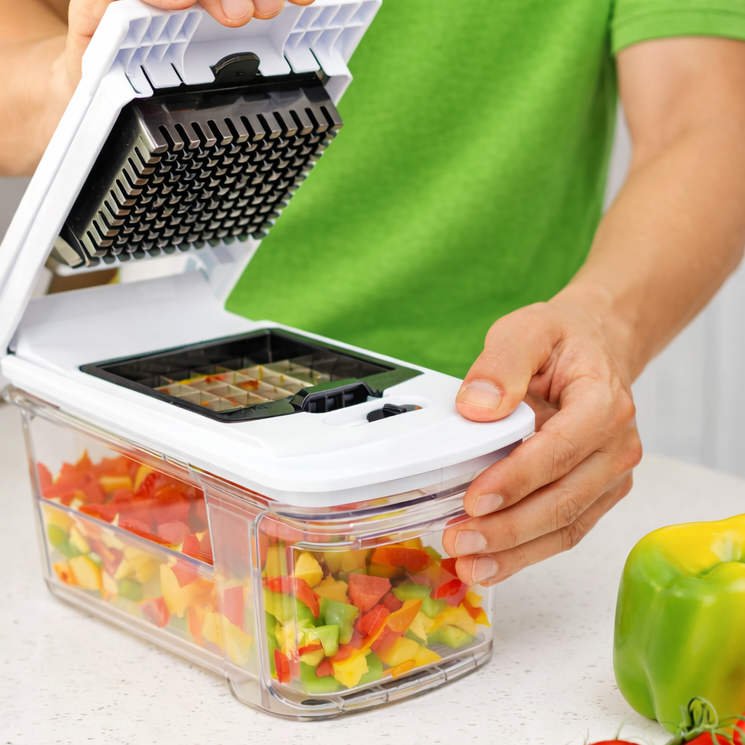
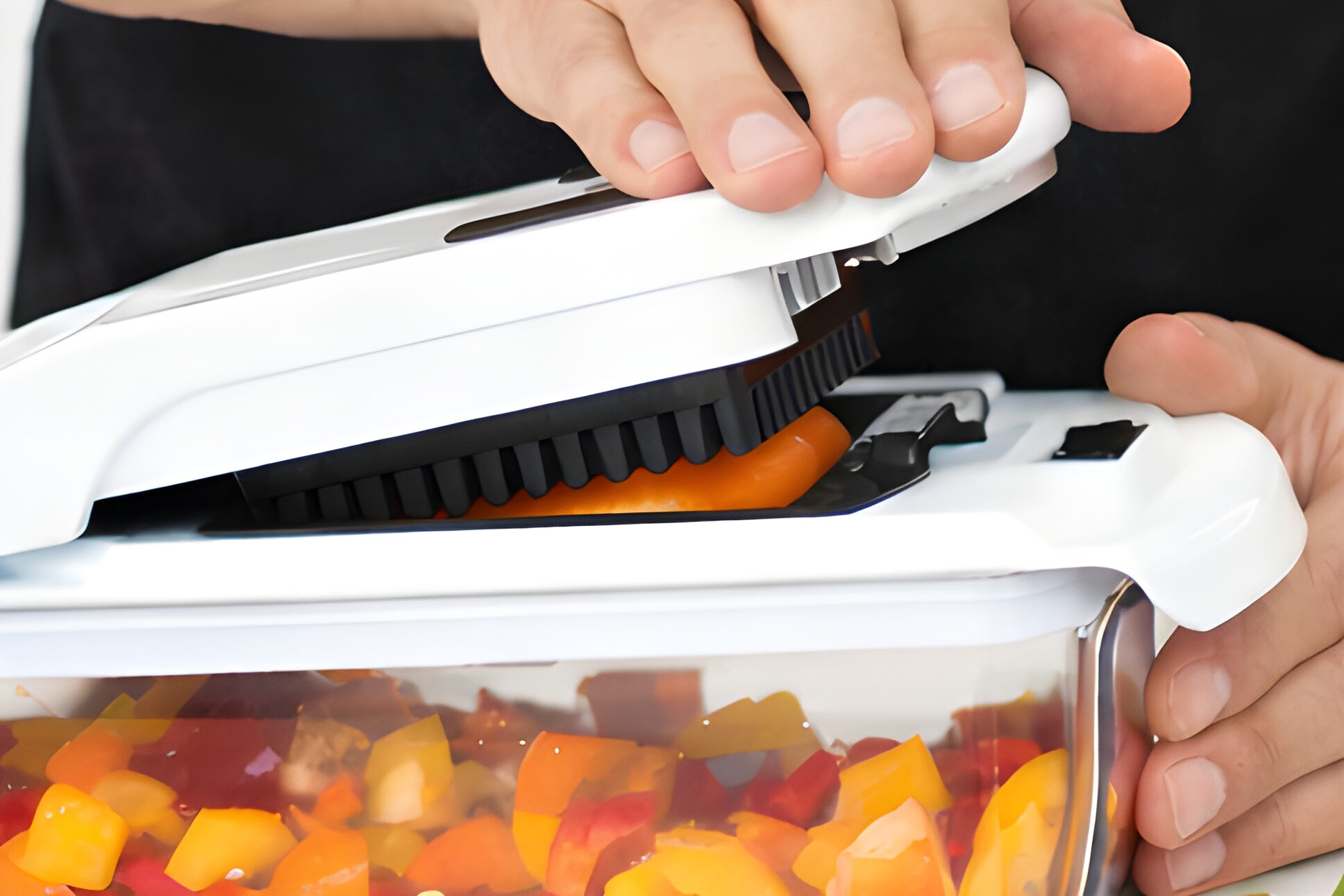
When you combine weekly food prep with tools that speed up vegetable preparation, such as a multi-blade vegetable chopper, the entire process becomes dramatically faster.
Important: Vegetable choppers like the VanChop Viral Chopper are designed for vegetables only and should never be used for meat.
Let’s explore how preparing meals ahead works and how beginners can start today.
What Is Meal Prepping?
Meal prepping simply means preparing meals or ingredients in advance and portioning them into ready-to-eat containers.
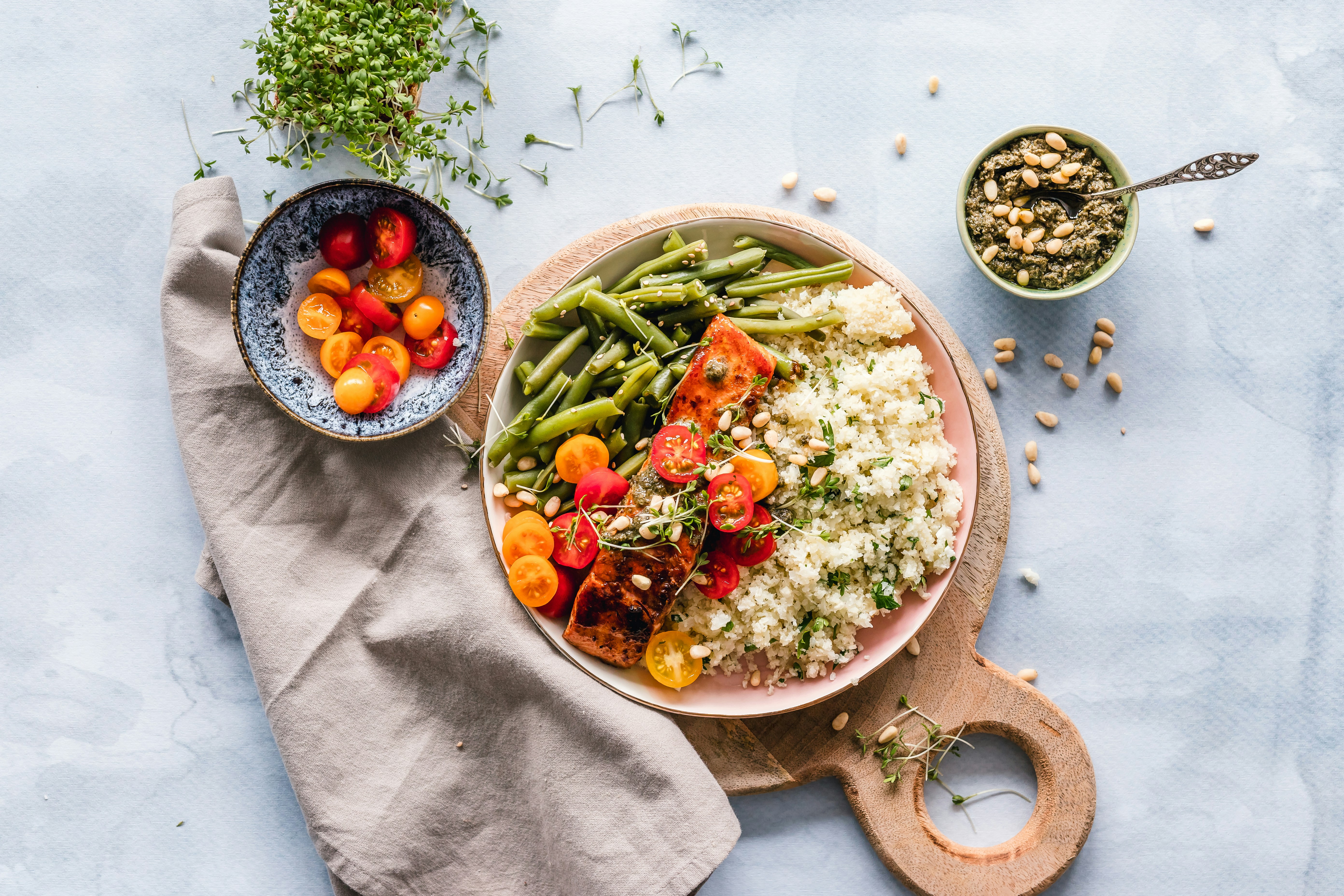
This might include cooking a batch of rice and grilled chicken for the week, preparing several lunch bowls at once, slicing vegetables ahead of time for quick dinners, or packing healthy snacks into grab-and-go containers.
If you have ever taken leftovers from dinner for lunch the next day, you have already done a small version of this habit.
Most people prepare three to five days of meals at a time. Doing so saves time during the week and eliminates the daily question of what to eat.
Why Meal Prep?
Preparing meals ahead solves several everyday problems.
Cooking once or twice during the week saves time compared with preparing food every single day. Preparing vegetables in bulk, such as thinly slicing bell peppers or finely dicing onions, dramatically reduces prep time.
Planning food in advance also helps save money. Buying ingredients with a plan reduces takeout spending and ensures groceries are used before they spoil.
Another benefit is reduced food waste. When meals are already portioned and ready to eat, ingredients are far less likely to sit forgotten in the refrigerator.
Many people also find that planning meals ahead makes it easier to maintain healthy eating habits.
Who Is Meal Prepping Best For?
Preparing meals ahead works best for people who value convenience, efficiency, budget-friendly cooking, and healthier eating habits.
Busy professionals often rely on prepared lunches to avoid buying food during the workday. Students use it to simplify their weekly routine. Fitness enthusiasts often portion meals ahead to track protein and calorie intake.
People who enjoy variety can still benefit from this approach by rotating two or three meals throughout the week instead of eating something completely different every day.
What Foods Work Best for Meal Prep?
Many foods store well and maintain good texture after refrigeration.
Cooked grains such as rice, quinoa, pasta, and couscous reheat easily. Proteins like chicken, turkey, beef, beans, and lentils also hold their texture well.
Vegetables that work well for advance preparation include thinly sliced bell peppers, finely diced onions, chopped cucumbers, shredded cabbage, sliced carrots, diced tomatoes, and chopped broccoli.
Some foods are better stored separately. Delicate lettuce, berries, cut fruit, fried foods, and crunchy snacks tend to lose texture if stored for several days.
How Long Do Prepared Meals Last?
Most prepared meals last three to four days in the refrigerator. Over time, the texture and flavor of food slowly decline.
Many people prepare meals on Sunday to cover Monday through Thursday, then do a smaller midweek cooking session.
According to the
USDA food safety guidelines
https://www.fsis.usda.gov/food-safety
most cooked foods should be refrigerated and eaten within several days.
Freezing meals can extend storage time for soups, grains, and cooked proteins.
How to Start Meal Prepping
Beginners should start small rather than preparing an entire week of food all at once.
A good first step is packing leftovers from dinner and taking them for lunch the next day. This simple habit introduces the idea of preparing meals ahead.
Next, choose one recipe that produces several servings. Meals such as chicken rice bowls, burrito bowls, pasta with vegetables, or stir-fry dishes work well because they combine protein, grains, and vegetables.
Once comfortable with this routine, you can begin preparing additional meals such as breakfast or snacks ahead of time.
You can also explore our 7 day meal prep plan with breakfast, lunch, dinner, and snacks on the VanChop blog for additional ideas.
Easy Meal Prep Formulas
Using a simple formula can make planning meals much easier.
A classic formula combines protein, grains, and vegetables. An example might include grilled chicken with rice and sliced bell peppers.
A lower carbohydrate version focuses on protein with two vegetable sides, such as turkey meatballs with roasted broccoli and chopped cucumber salad.
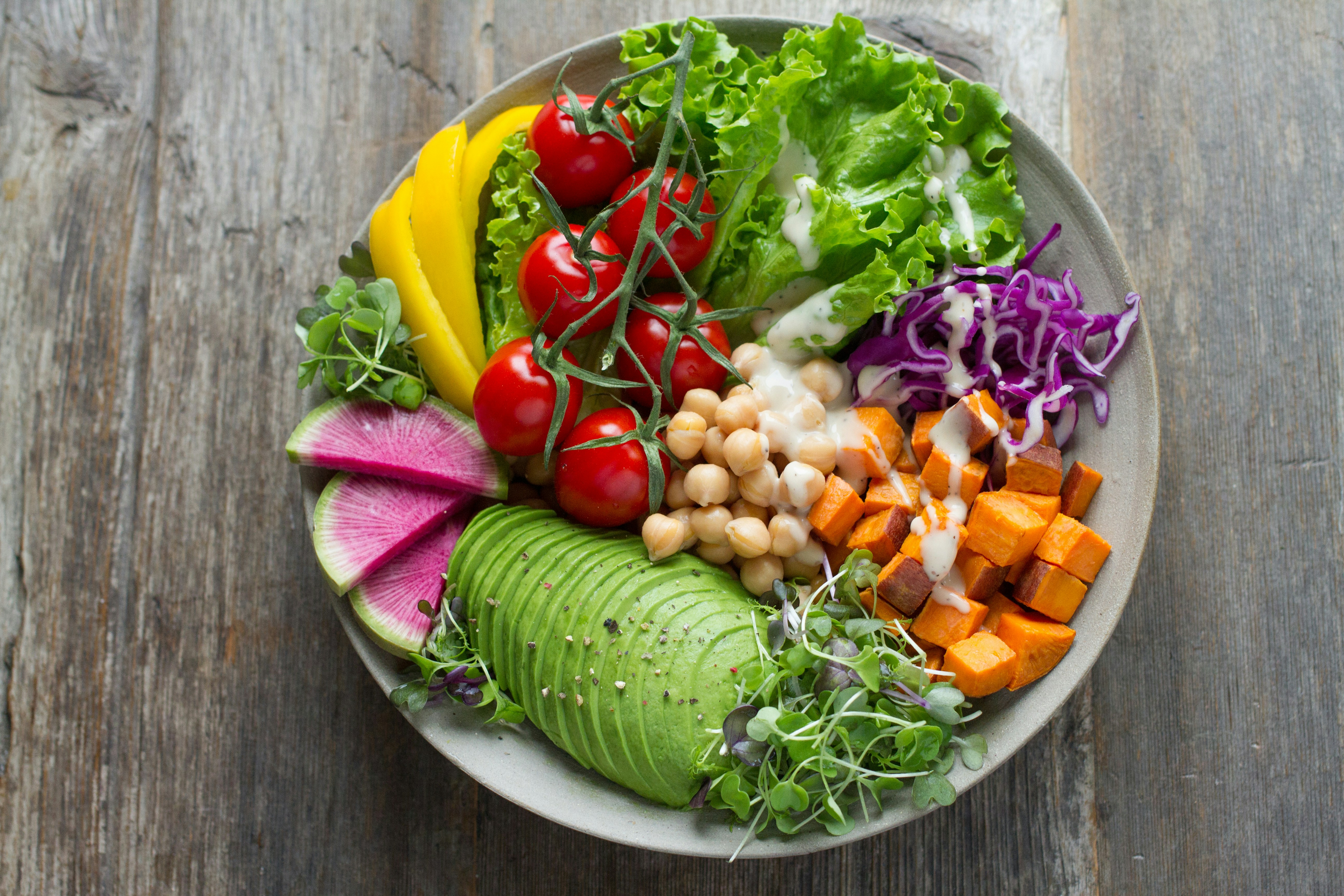
Vegetarian meals can combine legumes, grains, and vegetables. Chickpeas with quinoa and diced tomatoes and cucumbers create a balanced plant-based meal.
For more inspiration, check out our healthy vegetable meal prep recipes designed for quick preparation.
Tools That Make Meal Prep Faster
Using the right kitchen tools can dramatically reduce preparation time.
Meal prep containers are essential for storing prepared meals. Glass containers are often preferred because they are microwave safe, durable, and easy to clean.
Vegetable preparation is often the slowest part of cooking. A multi-blade vegetable chopper can quickly dice onions, slice cucumbers, chop bell peppers, shred cabbage, and grate carrots. This makes preparing large batches of vegetables much faster.
Small sauce containers are useful for storing dressings, dips, and sauces separately so food maintains better texture.
Nutrition experts at the
Harvard School of Public Health
https://www.hsph.harvard.edu/nutritionsource/
also recommend planning meals in advance to support healthier eating habits.
Beginner Meal Prep Ideas
Simple meals are ideal when starting this habit.
Breakfast options may include egg muffins with diced peppers, overnight oats, or yogurt parfaits prepared in jars.
Lunch ideas often include chicken burrito bowls, quinoa vegetable bowls, or pasta salad with chopped vegetables.
Dinner preparation may include stir fry dishes with chopped vegetables, roasted vegetable bowls, or taco bowls with grains and protein.
Snack preparation can include sliced cucumbers with hummus, chopped fruit containers, or small packs of nuts and cheese.
Example Weekly Meal Prep Plan
A simple weekly plan may involve preparing a few core ingredients that can be combined into several meals.
Breakfast might include overnight oats with diced fruit or egg muffins with finely diced peppers and onions.
Lunch could include chicken rice bowls with chopped cucumbers, shredded cabbage, and sliced bell peppers.
Dinner may consist of stir fry with thinly sliced vegetables served over rice or quinoa.
Snacks could include sliced cucumbers with hummus, chopped fruit, or small packs of nuts and cheese.
Preparing these ingredients at the beginning of the week makes assembling meals fast and convenient.