
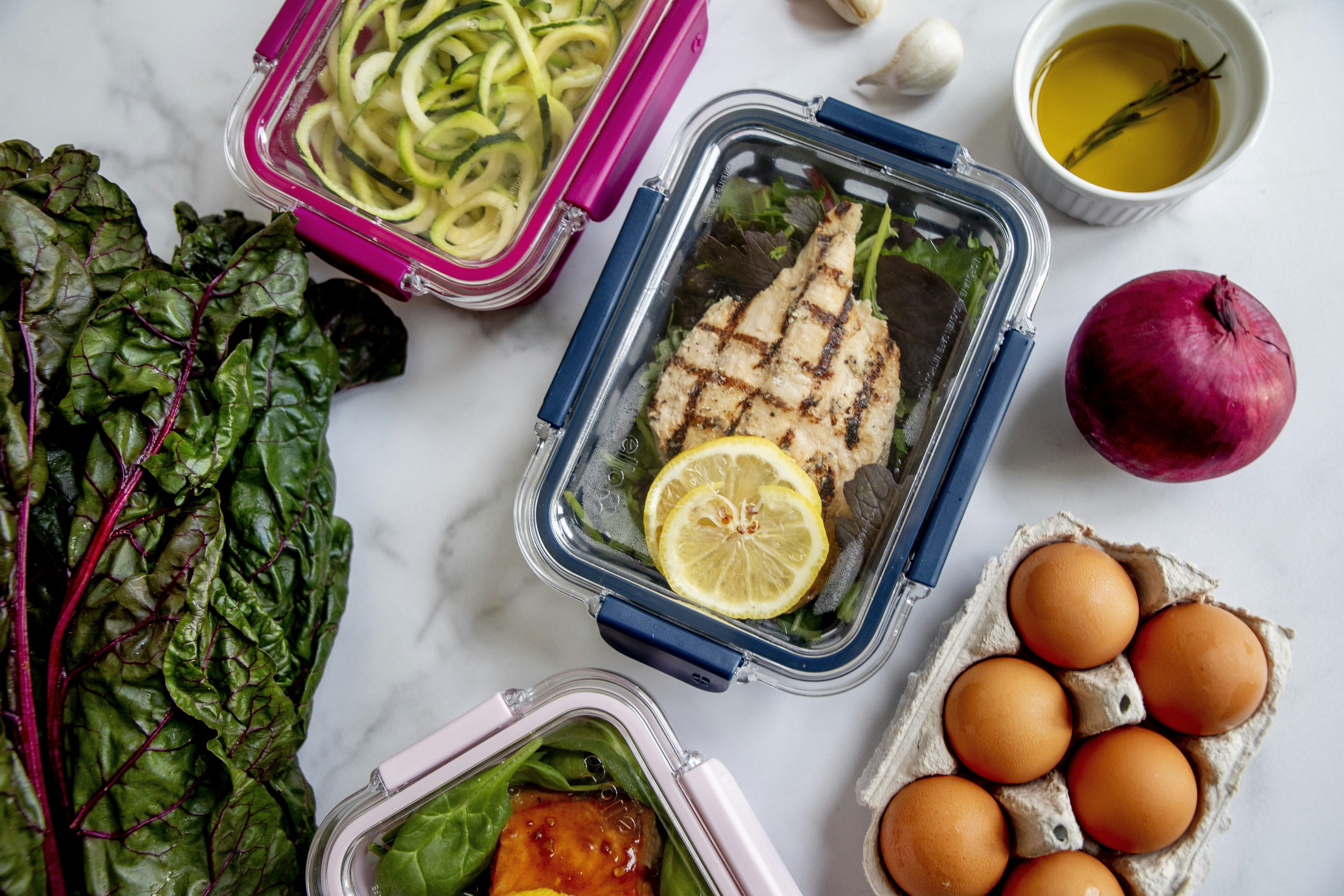
About Healthy meal prep ideas for busy families
In today’s fast-paced world, the concept of meal prepping has become essential for busy families and professionals striving to maintain a balanced diet amidst their hectic schedules. Meal prepping involves the process of preparing food in advance, allowing individuals to have meals ready to go for the week. This practice not only saves considerable time during busy weekdays but also streamlines the cooking process. When meals are pre-cooked or prepped, the time spent in the kitchen can be significantly reduced, freeing up precious hours for other important activities.
Furthermore, meal prep promotes healthier eating choices by enabling families to plan their meals thoughtfully, reducing the likelihood of impulsive decisions that often lead to unhealthy dining options. With a focus on nutrition and portion control, meal prepping allows for greater mindfulness regarding what and how much is consumed. By taking the time to prepare wholesome meals in advance, families can ensure they are fueling their bodies with nutritious options instead of relying on fast food or takeout, which can be less healthy.
Additionally, meal prepping can also be a cost-effective strategy. By planning meals and shopping with a list, families can avoid unnecessary purchases, minimize food waste, and stretch their grocery budget further. This organized approach not only helps in maintaining a budget but also fosters a more sustainable eating pattern.
In light of these benefits, it becomes evident that meal prep is a practical solution for those looking to improve their eating habits while managing busy lives. By dedicating a few hours each week to prepare meals, individuals can enjoy the combined advantages of time saved, healthier choices, and financial savings.
Benefits of Meal Prep
Meal prep, the practice of preparing meals and snacks in advance, offers several significant benefits for busy families and professionals. One of the primary advantages is improved nutrition. By planning your meals ahead of time, you can thoughtfully select ingredients that support a balanced diet, ensuring you consume essential nutrients throughout the week. This proactive approach often leads to healthier choices, as it is easier to resist the temptation of fast food or unhealthy snacks when you have nutritious meals readily available.
In addition to enhanced nutrition, meal prep allows for considerable time savings. Preparing meals in bulk on a designated day can significantly reduce daily cooking time. Many people find that spending a few hours on the weekend to cook and package meals saves them from the daily stress of deciding what to eat after a long day. This preparation translates into more quality time with family, reduced kitchen chaos, and a streamlined mealtime routine.
Financial savings are another notable benefit of meal prep. By buying ingredients in larger quantities and minimizing impulse purchases at the grocery store, families can achieve substantial savings over time. Meal prepping also helps in reducing food waste. By planning meals and utilizing perishable ingredients efficiently, families can ensure that they make the most out of their purchases and limit unused food items that may otherwise go bad.
Ultimately, the convenience of having ready-to-eat meals is an undeniable advantage. With all meals prep in advance, individuals can swiftly reheat their dishes, leading to smoother weeknights. This structured approach minimizes the cumulative stress surrounding mealtime, which can often arise from busy schedules. The overall efficiency gained through meal prep provides families and professionals alike with a practical solution to their hectic lives.
How to Plan Your Meals Effectively
Planning meals effectively for a busy week is a crucial skill for families and professionals striving for healthy eating. Begin by assessing your week ahead, noting any scheduled events or commitments that might affect your cooking time. This assessment allows you to create a meal schedule that aligns with your availability, ensuring that you choose recipes suited for quick preparation on busier days.
Start by selecting a designated day each week to plan your meals. Gather input from your family to understand their preferences, which can assist in choosing balanced recipes that cater to diverse tastes. When selecting meals, aim for a variety of ingredients, focusing on protein sources such as lean meats, legumes, and dairy, while including ample vegetables and whole grains. As you compile your meal list, ensure that it incorporates different cooking methods like roasting, grilling, or stir-frying to maintain interest and flavor in your meals.
Next, organize your selected recipes into a cohesive schedule. Allocate specific meals to each day, considering the time you have available for preparation and cooking. For example, opt for a slow-cooked meal on a day when you expect to return home late, and reserve quicker recipes for days with more free time. Additionally, aim to batch-cook certain items, such as grains or proteins, that can be used within multiple meals throughout the week. This not only saves time but also reduces the chances of food waste.
Finally, create a shopping list based on your planned meals. Categorize items by food groups to streamline grocery shopping. Make a habit of including versatile ingredients that can be used in various recipes to add flexibility. Implementing these steps consistently can lead to more structured meal preparation, ultimately creating healthier dining options for busy families and professionals.
Reducing Food Waste Through Meal Prep
Meal prepping serves as an effective strategy not only for managing time but also for significantly reducing food waste in households. By planning meals around ingredients already present, families and individuals can maximize the use of their groceries, minimizing the chances of perishables ending up in the trash. The core of sustainable meal prep lies in foresight and organization.
One practical step is to inventory the pantry and refrigerator before planning meals. By assessing what ingredients need to be used soon, families can create recipes that incorporate them, preventing spoilage. For instance, if there are vegetables nearing their expiration, planners can center meals around stir-fries or soups, cleverly integrating these items into the weekly menu.
Another strategy involves transforming leftovers into brand new meals. Instead of simply reheating yesterday’s dinner, consider how these remnants can be repurposed. Cooked chicken, for example, can be shredded and turned into a delightful chicken salad or incorporated into tacos. Utilizing remaining grains can similarly add diversity to various dishes. With creativity, leftovers can become the foundation for innovative meals while sustainably curbing food wastage.
Moreover, portion control during meal prep can lead to a significant reduction of food waste. By preparing servings according to the family’s appetite, it is possible to diminish the tendency to overcook. Additionally, crafting a grocery list based on planned meals aids in purchasing only necessary items while avoiding impulsive buys, which can lead to waste.
By adopting these meal-prepping habits, families can not only optimize their meal time but also contribute positively to environmental sustainability by reducing food waste. Efficient meal planning demonstrates the interconnectedness between mindful cooking practices and broader ecological responsibilities.
Saving Money on Groceries with Meal Prep
Meal prepping has emerged as an effective method for families and professionals aiming to streamline their cooking process, and it can also lead to significant financial savings on grocery bills. By purchasing ingredients in bulk, families can capitalize on lower prices per unit, reducing overall costs. Ingredients such as grains, legumes, and frozen vegetables can typically be obtained at a more economical rate when bought in larger quantities. This not only saves money but also ensures that meal prep can be conducted with a variety of nutritious components ready for use.
Effective planning is crucial to maximizing grocery savings through meal prep. By creating a detailed shopping list based on a planned menu for the week, families can avoid impulse purchases often stimulated by lack of preparation. This list should focus on versatile ingredients that can be used across multiple meals, thus minimizing waste and optimizing expenditure. For example, purchasing a large bag of rice can serve as a base for diverse dishes throughout the week, ranging from stir-fries to burrito bowls.
Additionally, utilizing cheaper ingredients creatively can also lead to cost savings. Seasonal produce tends to be less expensive and more flavorful, making it an excellent choice for meal prepping. Incorporating beans or lentils as protein sources, rather than relying solely on meat, can also significantly lessen grocery costs. Families should consider exploring local markets where prices may be more competitive and where they might discover new and affordable ingredients.
Smart shopping is an essential component of successful meal prep leading to savings. Using loyalty programs, coupons, and price comparison websites can further assist in reducing grocery bills. By combining the principles of bulk purchasing, effective planning, and creative use of economical ingredients, families can not only save money but also enhance their overall health through nutritious meal options.
Preparing Healthy Meals in 30 Minutes or Less
In today’s fast-paced world, preparing healthy meals in 30 minutes or less can be a challenge for busy families and professionals. However, with strategic planning and a few time-saving techniques, it is entirely feasible to create nutritious meals without spending hours in the kitchen. One effective method is to utilize pre-chopped vegetables and pre-cooked proteins, which significantly cut down preparation time.
For instance, consider a quick stir-fry. Start by heating a tablespoon of olive oil in a large skillet. Add a mix of pre-chopped bell peppers, broccoli, and carrots, cooking them for about five minutes. Then, incorporate pre-cooked chicken or tofu, along with a splash of soy sauce, and allow it to heat through. This meal can be prepared in under ten minutes and provides a balanced combination of protein, carbohydrates, and vitamins.
Another handy technique involves leveraging whole grains. Quinoa, for example, cooks in approximately 15 minutes and pairs well with a variety of proteins and vegetables. By preparing quinoa in batches on the weekend and storing it in the refrigerator, you can easily incorporate it into meals throughout the week. For a nutritious option, create a quinoa salad by combining cooked quinoa with cherry tomatoes, spinach, and a light vinaigrette for a quick lunch or dinner.
Additionally, using a slow cooker can transform meal prep. Simply place lean meats or beans, along with whole grains and an assortment of vegetables, in the slow cooker in the morning. By dinner time, a wholesome meal will be ready to serve, allowing you to enjoy your evening without the last-minute rush of cooking.
Incorporating these strategies into your meal preparation routine will make healthy cooking more manageable. Over time, these 30-minute meals will not only save you precious time but also establish a foundation for a sustainable healthy lifestyle.
Common Meal Prep Mistakes to Avoid
Meal prepping is an effective way for busy families and professionals to maintain a healthy lifestyle despite time constraints. However, newcomers to meal preparation often encounter several common pitfalls that can hinder their success. One of the primary mistakes is overcomplicating meals. Many individuals feel compelled to create elaborate recipes for each day, which can be overwhelming and time-consuming. Instead, focusing on simpler recipes with fewer ingredients can ease the process. Consider incorporating a variety of proteins, grains, and vegetables into your meals, but keep the recipes basic. This approach not only saves time but also reduces the chance of burnout.
Another frequent error is the lack of proper planning. A successful meal prep starts with a well-thought-out plan that includes not only the meals you intend to prepare but also a shopping list to prevent unnecessary purchases at the grocery store. Devote a dedicated time each week for meal planning, and try to involve all family members in the decision-making process. This encourages engagement and allows everyone’s preferences to be considered, thus minimizing food waste.
In addition to planning, many beginners fail to include variety in their meal prep. Eating the same dishes repeatedly can lead to boredom and a decrease in adherence to healthy eating habits. To combat this, strive to alternate the proteins and vegetables used in your meals weekly. Utilize different cooking methods or spices to create diverse flavors. A rotation system can make meal prep enjoyable rather than a monotonous chore.
Avoiding these common mistakes can make meal preparation less daunting and more effective, ultimately supporting a healthier lifestyle for busy families and professionals.
A Beginner’s Guide to Meal Prep
Meal prepping is an effective strategy for busy families and professionals who wish to maintain a healthy diet without spending excessive time in the kitchen. By preparing meals in advance, you can save time, reduce waste, and ensure that nutritious options are readily available. This beginner’s guide will cover essential tools, help you establish a routine, and provide simple recipes to ease you into the meal prep process.
First and foremost, having the right tools is essential for successful meal prepping. Invest in quality containers that are microwave, freezer, and dishwasher-safe. Glass containers are a popular choice, as they are durable and help preserve food quality. Additionally, consider purchasing a good set of knives, cutting boards, and measuring cups to ensure accurate preparation. A food scale can also be beneficial for portion control.
Establishing a meal prep routine is critical. Set aside a specific day of the week, such as Sunday, to cook and prepare meals for the upcoming week. Start by planning your meals for the week ahead, which may include breakfast, lunch, and dinner. Create a shopping list based on your meal plan and stick to it while grocery shopping. This practice minimizes impulse buys and ensures that you have all the ingredients on hand.
When it comes to recipes, begin with simple ones that require minimal time and effort. For instance, roasted vegetables, grilled chicken, or quinoa salads can be easily prepared in bulk. You can vary flavors by adding different herbs and spices to keep your meals interesting. Additionally, consider incorporating smoothies or overnight oats for breakfast, which require little preparation but provide essential nutrients.
By following this beginner’s guide to meal prep, you will set a solid foundation for a healthier lifestyle, making it easier to balance your busy schedule while enjoying nutritious meals.
FAQs about Meal Prep
Meal preparation is a popular approach for busy families and professionals looking to save time and maintain a healthy diet. However, several questions often arise when people begin to embrace this method of cooking. Below are some frequently asked questions that can help clarify common concerns and misconceptions about meal prep.
What is the best way to store meal prepped food? Proper storage is crucial for maintaining the freshness and safety of prepared meals. The use of airtight containers is recommended to prevent spoilage. Glass containers are often preferred as they do not retain odors or stains, and are microwave-safe. Additionally, labeling containers with dates can help keep track of how long meals have been stored.
How do I determine the right portion sizes for meal prep? Portion sizes can vary based on individual dietary needs, activity levels, and goals. A general guideline is to fill half of your meal container with vegetables, a quarter with lean protein, and a quarter with whole grains. Utilizing a food scale or measuring cups can aid in accurately determining portions. Over time, individuals can gauge their own portion preferences by observing satisfaction levels.
Can I adapt recipes for different dietary needs? Yes, one of the great benefits of meal prep is the flexibility to customize recipes. For those with dietary restrictions, such as gluten intolerance, it’s easy to substitute ingredients while ensuring nutritional balance. Options like using quinoa instead of rice, or gluten-free pasta can make meals more inclusive. When planning recipes for different diets, it is helpful to have a variety of ingredients that cater to everyone’s needs.
How long can meal prepped food last in the refrigerator? Generally, most meal prepped foods are safe to consume for about 3 to 4 days when stored properly in the refrigerator. It’s advisable to freeze meals that will not be eaten within this timeframe, as freezing helps to extend shelf life significantly.
By addressing these common questions, families and professionals can become more confident in their meal prep journey, leading to healthier eating habits without compromising on convenience.
Conclusion: Building a Sustainable Home-Cooking Routine
Establishing a sustainable home-cooking routine is essential for busy families and professionals who wish to maintain a healthy lifestyle despite a fast-paced environment. By integrating meal prepping into your weekly activities, you can save time, reduce stress, and ensure that nutritious meals are readily available for you and your loved ones. Meal prepping not only promotes healthier eating habits but also cultivates a more organized kitchen environment.
A successful meal prep routine begins with planning. Identify your weekly schedule and engage family members or housemates in the planning process. This collaboration can lead to meal choices that cater to various tastes and nutritional needs. Utilize smaller portions and diverse ingredients to introduce variety, making it easier for everyone to enjoy meals while minimizing waste. Another effective strategy is to create a meal plan that outlines what dishes will be prepared each week, along with a shopping list to streamline grocery trips.
In this journey towards a sustainable cooking routine, resources like Vanchop® can be invaluable. They offer comprehensive meal plans, diverse recipes, shopping lists, and meal prep guides tailored for busy individuals and families alike. By leveraging such resources, you can simplify your cooking process, maintaining focus on health while adapting to your hectic lifestyle.
Ultimately, building a cooking routine that embraces meal preparation can pave the way for healthier, home-cooked meals that are both delicious and nourishing. It is a commitment to your health and wellbeing that can yield long-term benefits for your family, making the effort put into planning and prepping truly worthwhile.