
Introduction®
Wondering how to start meal prepping? You’re not alone. Meal prepping is one of the easiest ways to save time, reduce food waste, spend less on groceries, and enjoy healthier home-cooked meals.
In this guide, you’ll learn exactly how to start meal prepping, from planning your first week’s meals to shopping smarter, prepping ingredients efficiently, and storing meals safely.
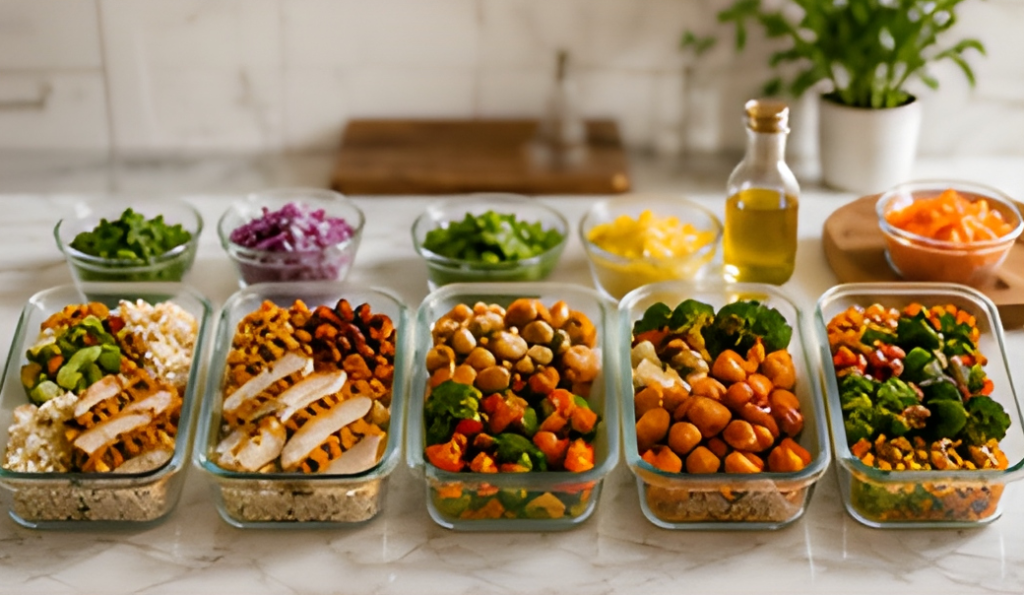
One of the primary benefits of meal prepping is the time it saves. By dedicating a few hours during the week to cook and organize meals, individuals can avoid the daily stress of deciding what to eat, significantly reducing the temptation to resort to fast food or convenience options. This kind of preparation allows for better planning, which leads to more mindful eating.
Additionally, meal prepping contributes to reducing food waste. By cooking in bulk and portioning out meals, individuals are less likely to over-purchase groceries that may ultimately spoil. This practice promotes the utilization of ingredients before they perish and encourages individuals to make conscious decisions about their grocery shopping. Not only does this reduce overall waste, but it can also lead to financial savings as less money is spent on discarded food.
Moreover, meal prepping is an effective way to promote healthier eating habits. When meals are pre-prepared, there is a greater opportunity to incorporate a variety of nutritious ingredients, such as vegetables, whole grains, and lean proteins. It becomes easier to control portion sizes and nutrient intake, adhering to dietary goals while allowing for customization based on personal preferences. As a result, meal prepping has become an essential practice for many individuals seeking to cultivate a balanced and health-conscious lifestyle.
What You Need to Begin
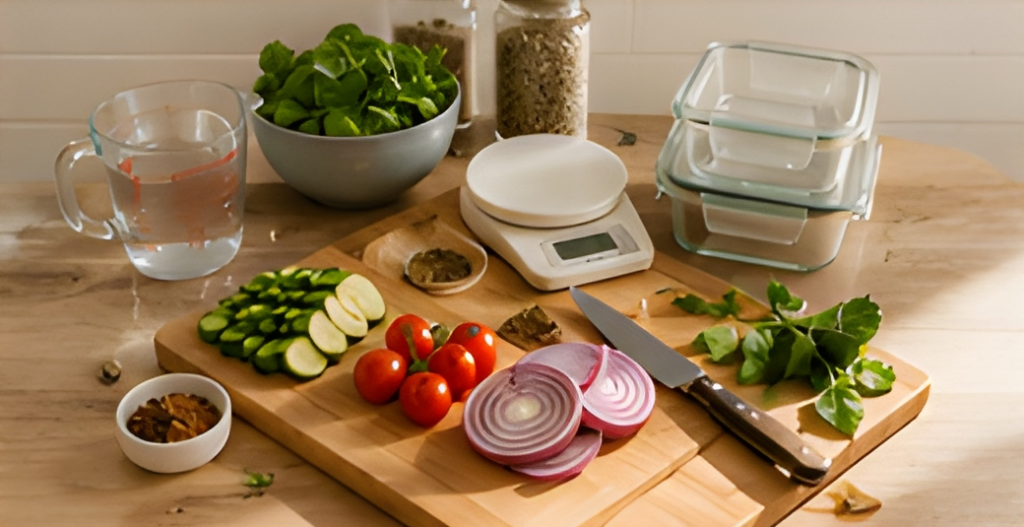
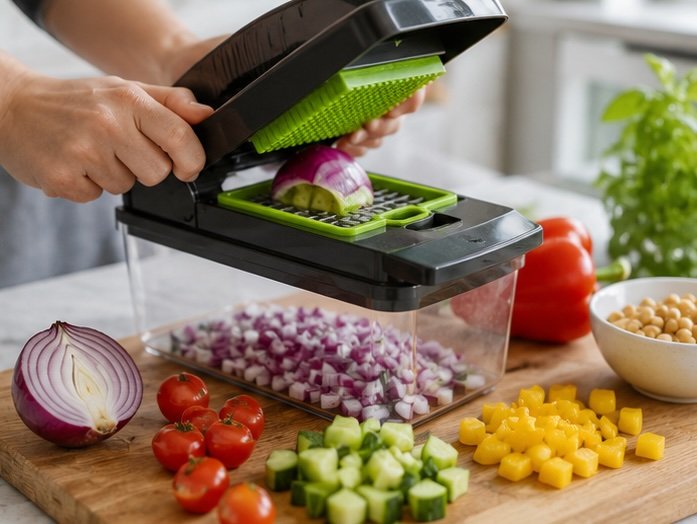
Embarking on the journey of meal prepping requires a foundational understanding of the essential tools and supplies. The right equipment not only streamlines the preparation process but also enhances the overall experience, making it more efficient and enjoyable. A key starting point is to invest in high-quality meal prep containers. These containers come in various sizes and materials, including glass, plastic, and stainless steel. Selecting containers that are BPA-free and microwave-safe ensures that your meals remain both safe and convenient for reheating.
In addition to containers, utensils such as sharp knives, cutting boards, and measuring cups play a vital role in meal preparation. A sharp knife helps to simplify the chopping process, allowing for quick and accurate cuts, which is particularly useful when preparing multiple ingredients simultaneously. Furthermore, a durable cutting board provides a stable surface to work on, reducing the risk of accidents and injuries in the kitchen.
Storage options also merit consideration. A good set of zip-top bags or airtight jars is invaluable for preserving meal freshness and organizing ingredients. These storage solutions help prevent spoilage and allow you to batch-cook ingredients that can be mixed and matched throughout the week. Additionally, investing in freezer-safe containers can help you store meals for longer periods without sacrificing quality.
To complement these tools, consider incorporating kitchen appliances such as slow cookers, blenders, and rice cookers to expand your cooking capabilities. These appliances can save time and simplify the preparation of various meals, highlighting the importance of building a well-equipped kitchen for meal prepping. By prioritizing quality and functionality in your chosen tools and supplies, you can set yourself up for success as you embark on your meal prepping adventure.
Healthy eating For balanced meals, follow the recommendations in the NHS Eatwell Guide.
The Key to Success
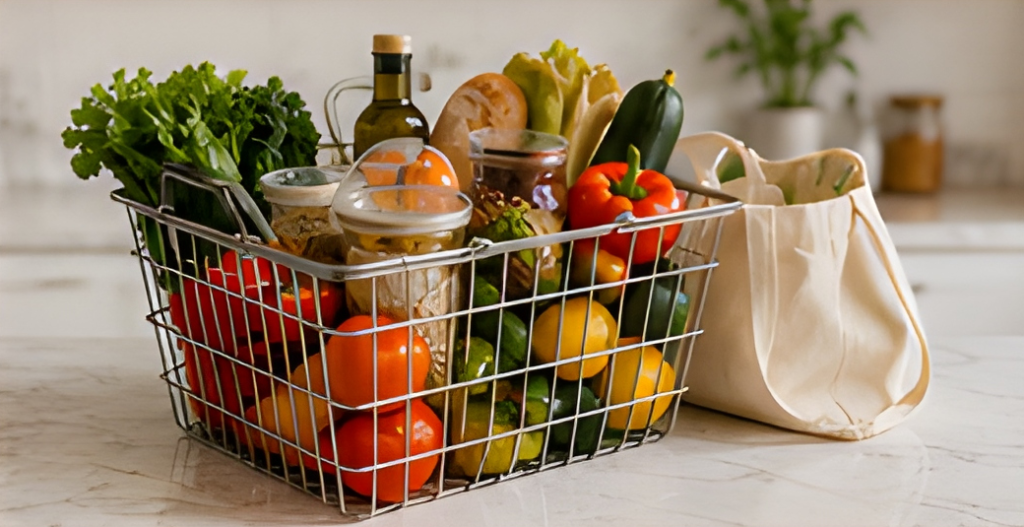
Meal planning is an essential step in the meal prepping process, serving as the foundation for successful and sustainable food practices. By carefully considering which meals to prepare, individuals can streamline their cooking efforts, save time, and minimize waste. The effectiveness of meal prep greatly relies on how well one plans their meals ahead of time, allowing for better organization and efficiency.
When selecting recipes, it is important to take into account dietary preferences and restrictions. This consideration ensures that the meals not only cater to individual tastes but also align with nutritional requirements. For those who may have specific dietary needs, including gluten-free, vegan, or low-carb options in planning can make the meal prep process more inclusive and enjoyable.
Creating a shopping list based on selected recipes is another critical component of effective meal planning. A well-structured list can help in purchasing only necessary ingredients, reducing impulse buys and food waste. When crafting the shopping list, it is advisable to organize items based on grocery store sections such as produce, dairy, and dry goods. This organization expedites the shopping experience, enabling a more efficient grocery trip.
Furthermore, varying meal options throughout the week prevents monotony and supports a balanced diet. Incorporating a mix of proteins, vegetables, and whole grains in planned meals not only enhances nutritional value but also encourages culinary creativity. Experimenting with different recipes can also lead to discovering new favorites and maintaining excitement around mealtime.
In summary, effective meal planning serves as a crucial step in the meal prepping process. By selecting appropriate recipes, considering dietary needs, and creating structured shopping lists, one can ensure a smoother and more productive meal prep experience.
Planning meals in advance and shopping with a list can significantly reduce waste. WRAP’s Love Food Hate Waste offers practical tips for wasting less food at home.
Batch Cooking Basics
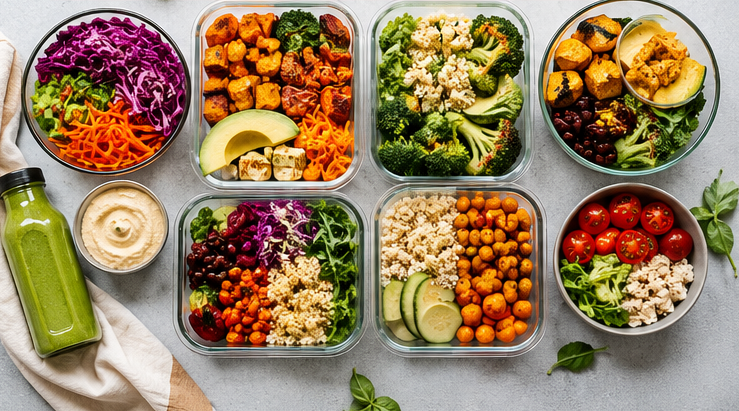
Batch cooking is an essential technique within the realm of meal prepping that enables individuals to prepare larger quantities of food in one cooking session. This method not only saves time but also promotes efficiency in the kitchen, allowing for healthier eating habits throughout the week. The foundation of batch cooking revolves around preparing nutritious meals that can be stored and consumed over several days, ensuring that healthy options are always at hand.
To embark on a successful batch cooking journey, one must start by selecting recipes that are conducive to this approach. Dishes that feature grains, proteins, and vegetables tend to hold up well when cooked in bulk. For instance, items like quinoa, brown rice, roasted vegetables, and stews are perfect candidates as they can be easily portioned and reheated. Additionally, incorporating herbs and spices can enhance the flavors of batch-cooked meals, making them enjoyable even on the second or third day.
Time management plays a crucial role in effective batch cooking. Setting aside a specific day each week, commonly known as a meal prep day, can streamline the process. During this time, individuals can plan their meals, create a grocery list, and cook multiple dishes simultaneously. By organizing tasks—such as chopping vegetables while grains are cooking—cooks can maximize efficiency. Storing cooked foods in clear, labeled containers also facilitates easy access during busy weekdays, providing a visual reminder of prepared options.
In summary, batch cooking serves as a cornerstone of meal prepping, offering significant benefits in both time and nutrition. By carefully selecting recipes and managing time wisely, anyone can master the art of batch cooking, transform their meal prep routine, and cultivate healthier eating habits with ease.
Storing Prepped Meals
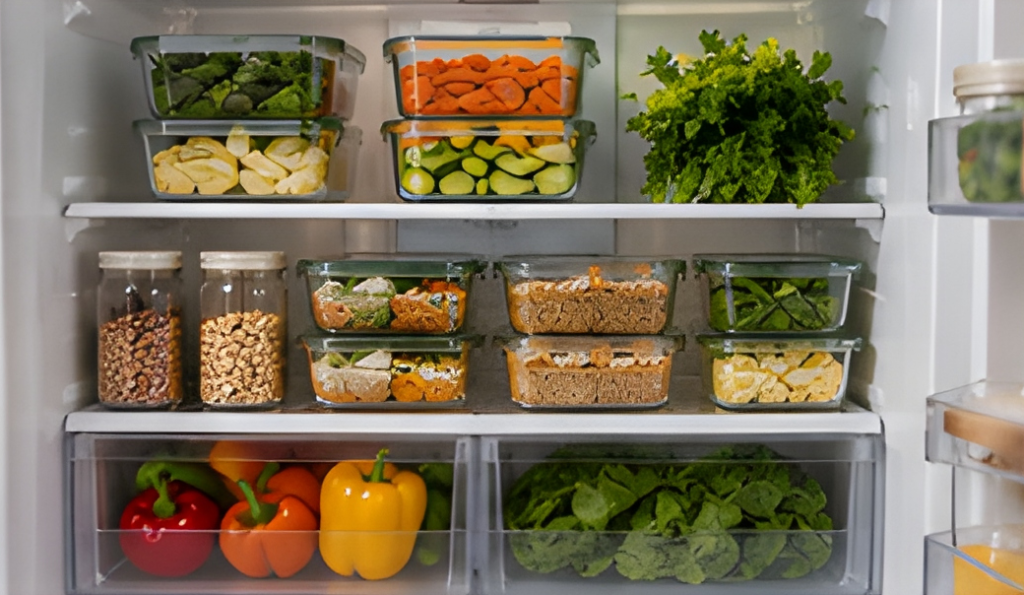
Proper storage techniques play a crucial role in ensuring the longevity and safety of your prepped meals. The primary methods of food storage include refrigeration and freezing. When storing meals in the refrigerator, it is best to use airtight containers that minimize exposure to air, which helps to prevent spoilage. Most prepared meals can safely be refrigerated for three to five days. It is essential to cool the food to room temperature before placing it in the fridge to maintain optimal freshness.
Freezing is another effective way to extend the shelf life of your meals. Many foods retain their quality when frozen, allowing for a longer storage duration that can last from one month to several months, depending on the type of food. To freeze meals efficiently, use freezer-safe containers or heavy-duty freezer bags. It is advisable to remove as much air as possible from bags to prevent freezer burn, which can alter the taste and texture of the food.
Labeling your meals is also a vital practice in meal prepping. Clearly mark each container or bag with the date of preparation and contents. This not only helps you keep track of freshness but also assists in meal planning by allowing you to use older items first. Additionally, adopting a first-in, first-out (FIFO) approach can help prevent food waste.
Food Storage Always store cooked food safely using guidance from the Food Standards Agency.
When handling and storing your meals, always consider safety tips to keep food fresh. For instance, ensure that your refrigerator and freezer are set to the right temperatures (below 40°F/4°C for the fridge and 0°F/-18°C for the freezer). Always check for signs of spoilage before consuming stored meals, such as off odors or changes in texture. By implementing these storage techniques, you can ensure that your meal preps remain safe and delicious for your enjoyment.
Adding Variety in Your Meal Prep
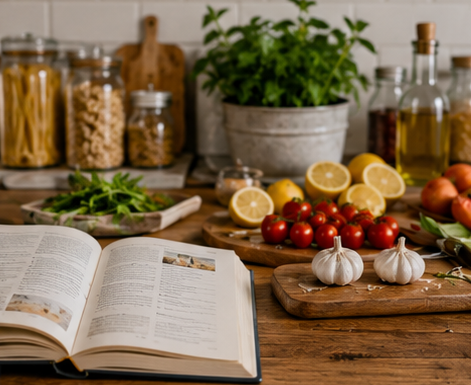
Meal prepping is an effective strategy for maintaining a healthy eating lifestyle, but it is essential to incorporate variety to avoid meal fatigue. To keep your meal prep exciting, consider rotating recipes on a weekly or bi-weekly basis. This practice can prevent monotony and ensures that your taste buds remain engaged. For example, you might prepare a set of meals centered around chicken one week and switch to beef or plant-based proteins the following week.
Another important aspect of creating variety is using different proteins and vegetables. While chicken, beef, and fish are common staples, including alternatives such as lentils, tofu, or even exotic meats can introduce new textures and flavors. Likewise, incorporating a diverse range of vegetables not only adds color to your meals but also contributes to a more balanced intake of vitamins and minerals. Think about seasonal vegetables, which are often more flavorful and fresher, thus further enhancing your meals.
To keep your meals from becoming bland, experimenting with different flavor profiles is crucial. Utilizing varied herbs, spices, and seasonings can transform basic recipes into exciting culinary experiences. For instance, a simple grilled chicken can take on entirely different tastes with a Cajun spice mix compared to a Mediterranean herb blend. Additionally, employing different cooking methods such as roasting, grilling, or stir-frying can change the overall appeal of a dish.
By rotating recipes, using diverse proteins, and experimenting with flavors, your meal prep can remain vibrant and appealing. Embracing variety ultimately makes it easier to stick to your meal prepping routine and enjoy nutritious meals throughout the week.
Establishing a consistent meal prep routine can significantly enhance your healthy eating habits, enabling you to save time and reduce stress throughout the week. One effective strategy is to designate a specific day for meal prepping. Many individuals find that Sunday works well, as it allows ample time to plan for the upcoming week. This consistency helps in developing a habit, making meal prepping feel like a natural part of your weekly schedule.
Real food. Made your way.
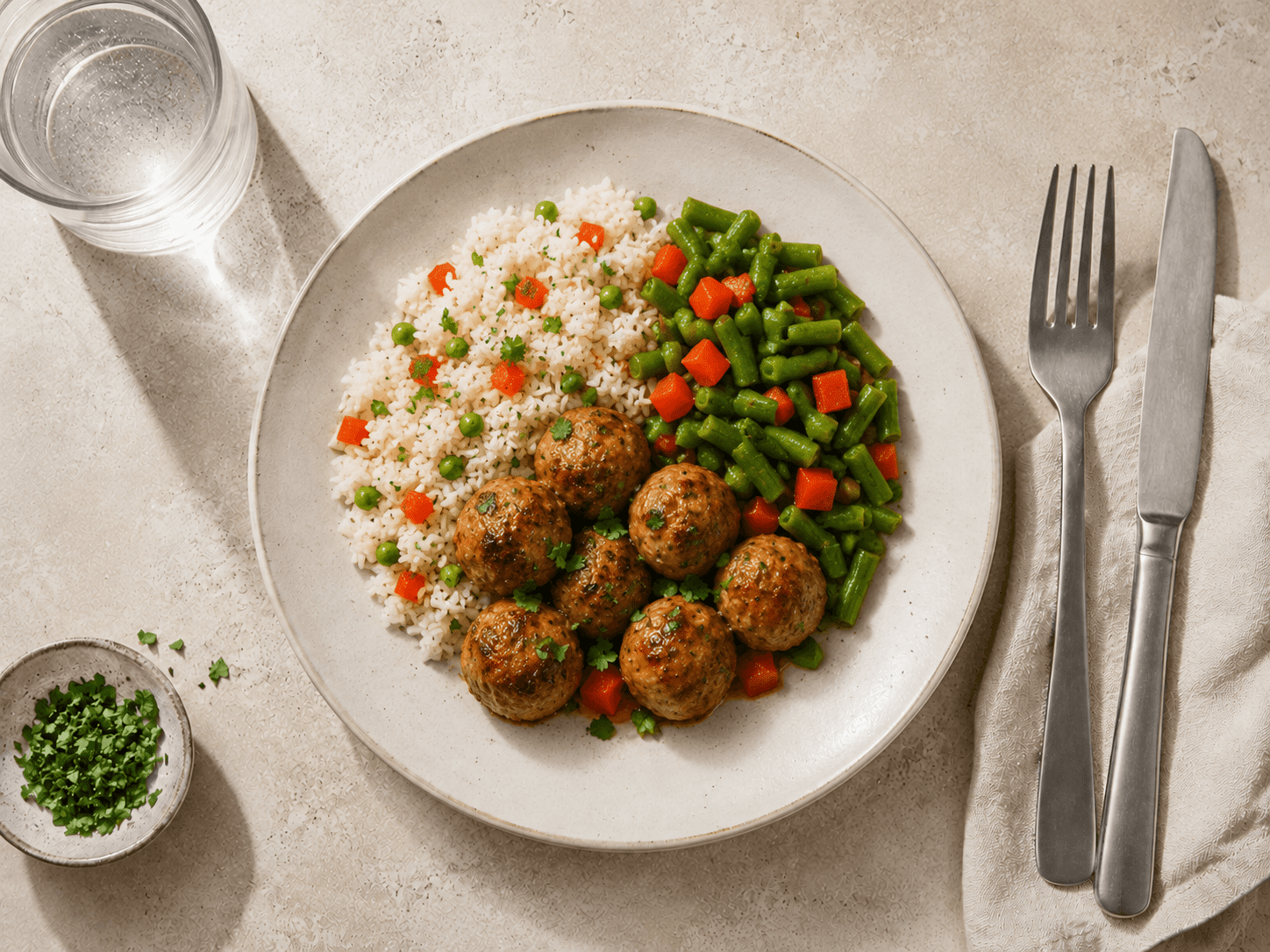
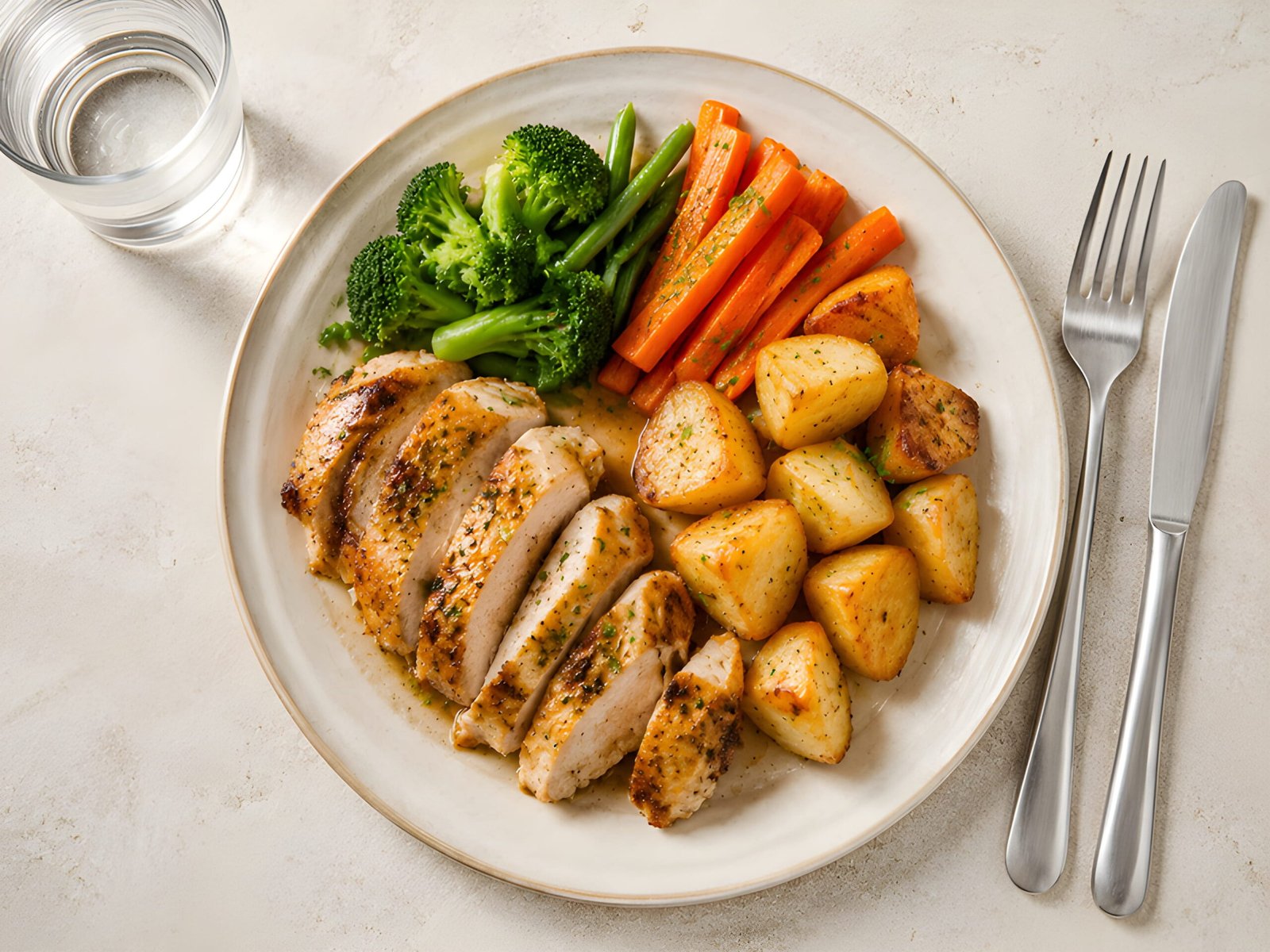
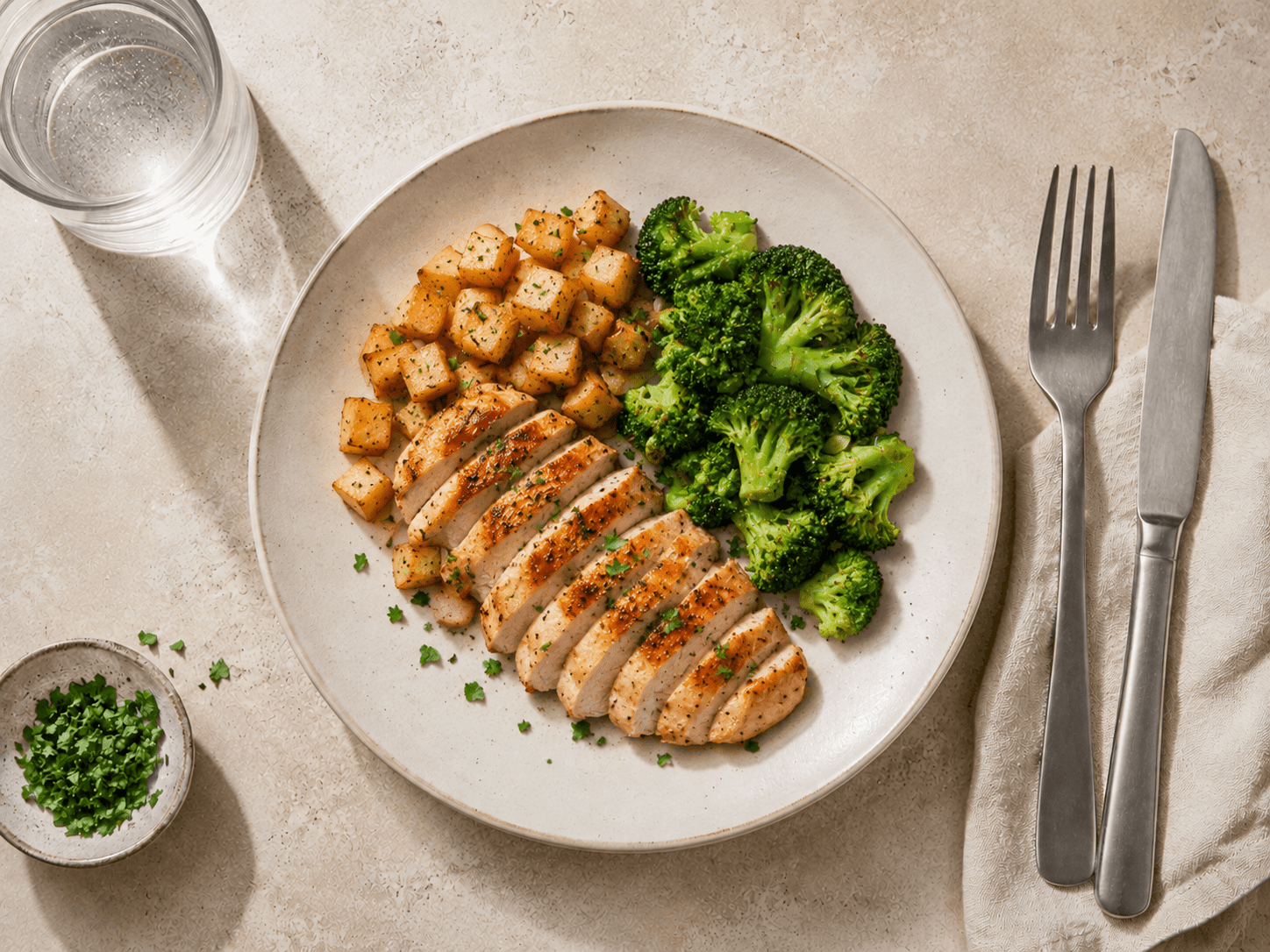
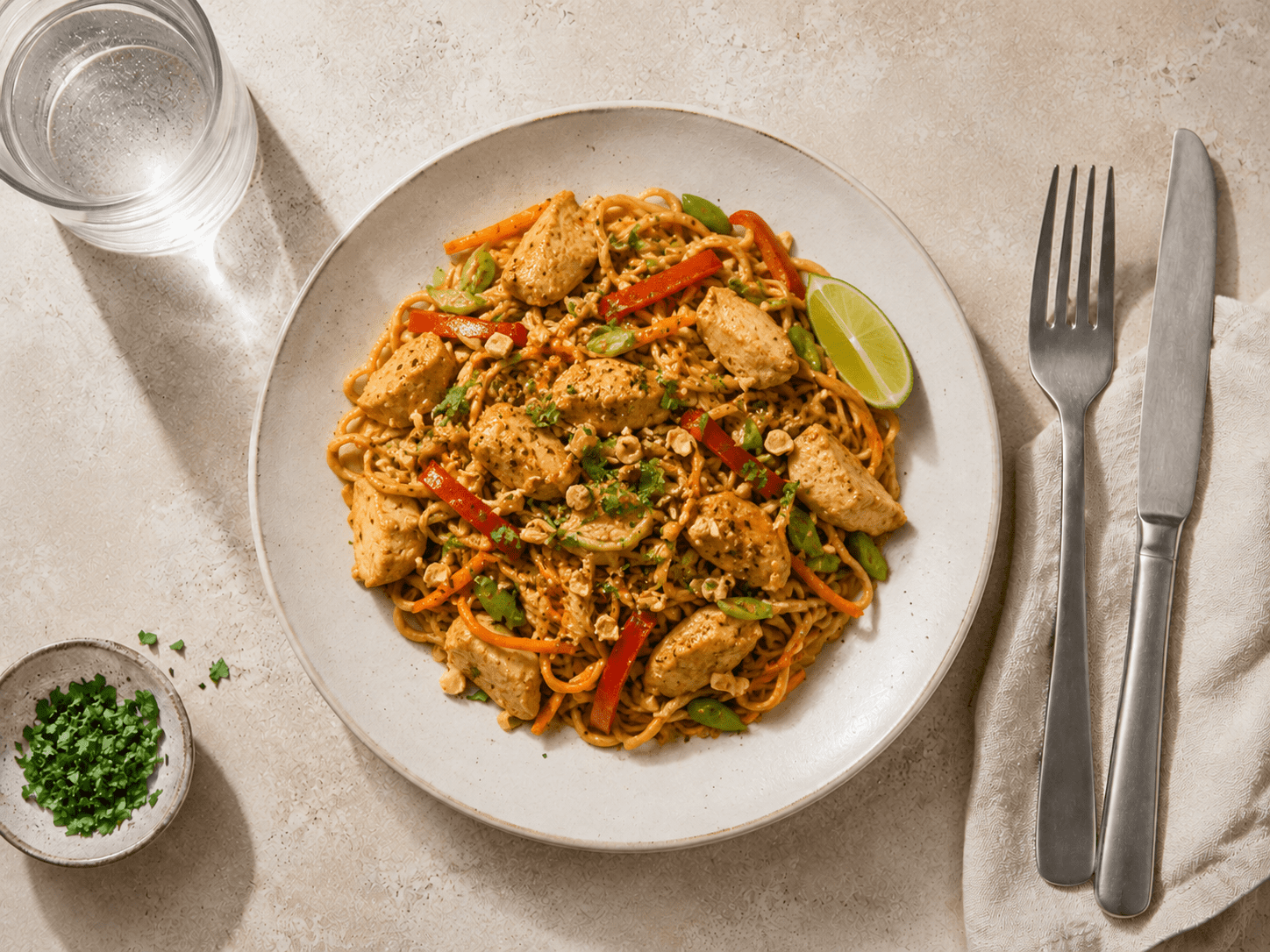
Access 15+ meal prep ideas tailored to lifestyle and dietary goals.
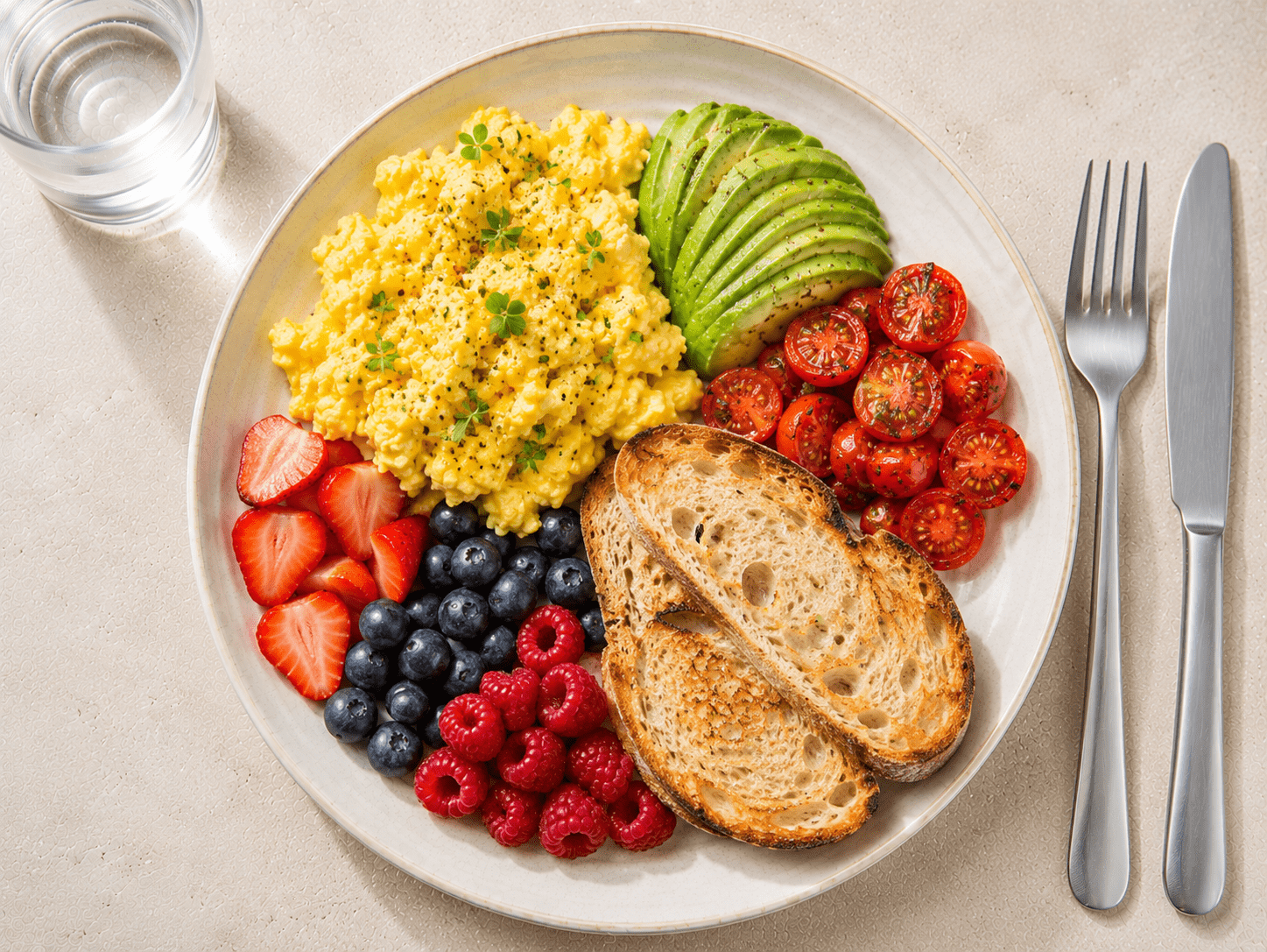
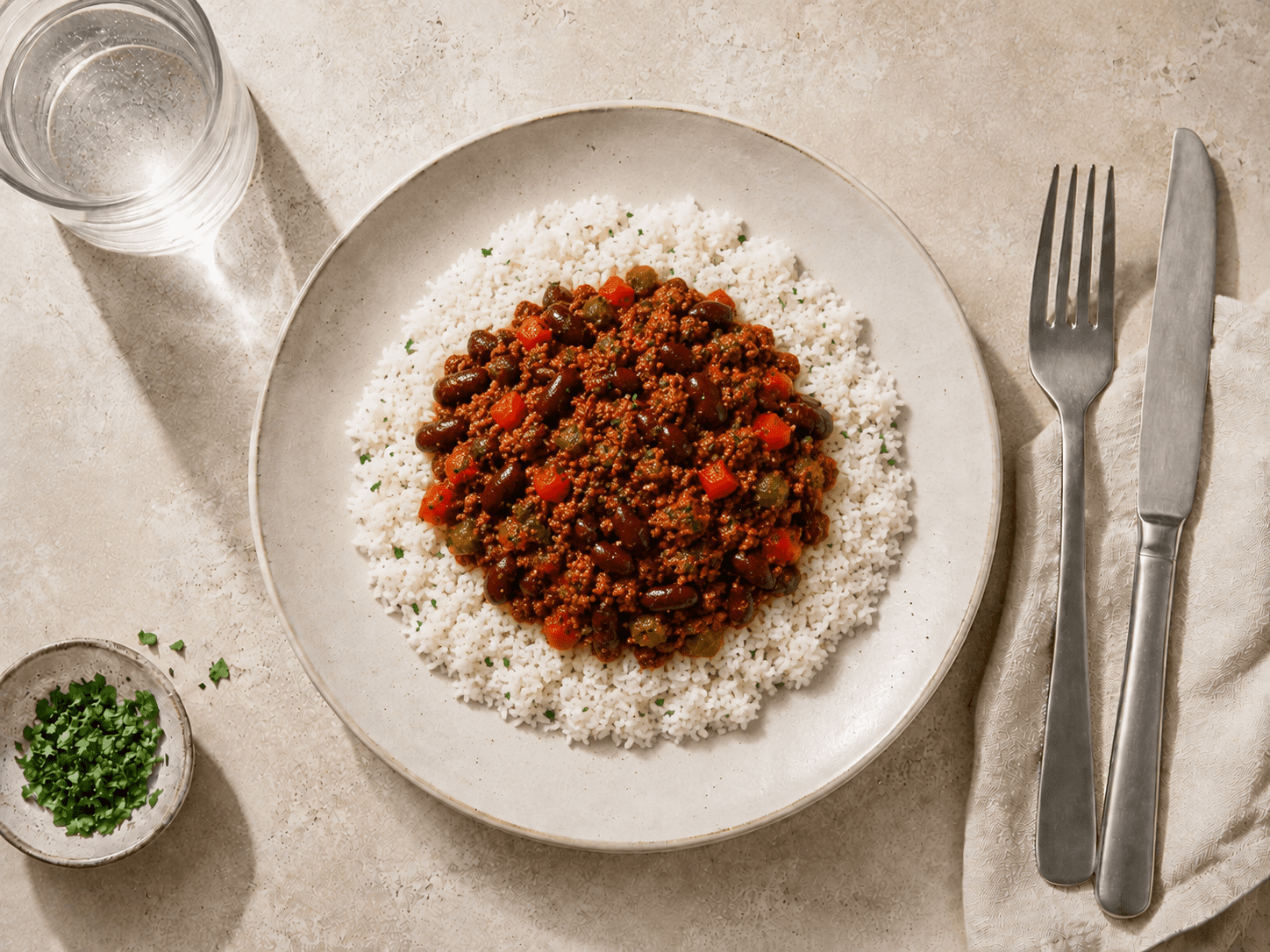
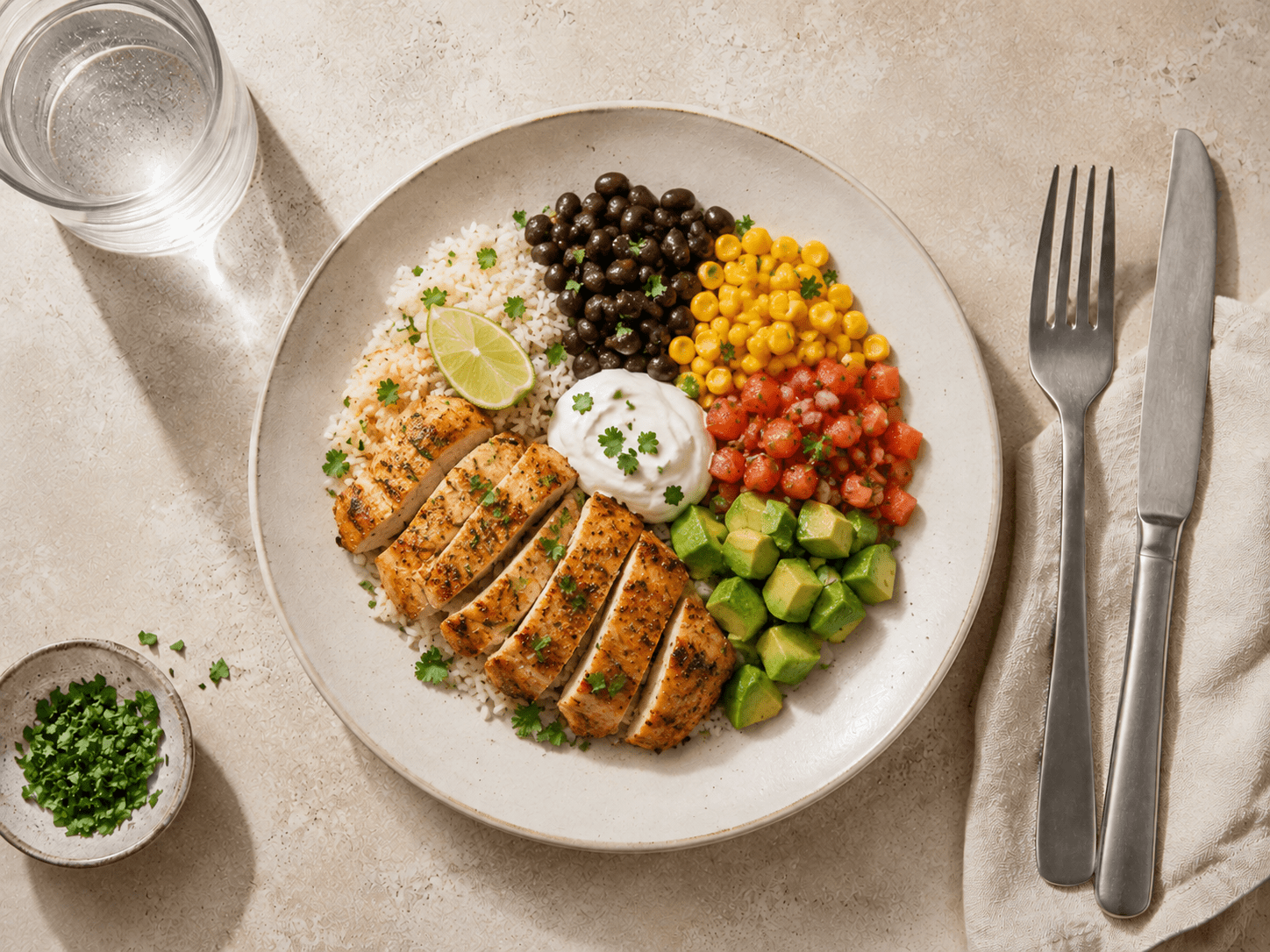
In addition to setting a regular day, it is essential to decide on a fixed time for meal prepping. Treat this time as an appointment that should not be missed. Setting reminders on your phone or calendar can aid in this regard, ensuring that you allocate the necessary time for this crucial task. Prepare a list of recipes for the week ahead, considering your nutritional goals and personal preferences, which can increase your motivation to stick to the meal prep routine.
Overcoming challenges is a vital component of maintaining consistency. Life can be unpredictable, and there can be occasions when you may not feel like meal prepping. In these instances, having backup meals or cooking in bulk when you have extra time can save the day. Keep your pantry stocked with quick and healthy options that can be prepared in a pinch, reducing the temptation to opt for less healthy convenience foods.
To stay motivated, consider finding a meal prep buddy. Sharing meal prep tasks with a friend or family member can make the process more enjoyable and hold each other accountable. You might also explore social media platforms for meal prep communities that inspire and share tips. Celebrating your successes, no matter how small, will reinforce positive behaviors, encouraging adherence to your meal prep routine.
Common Meal Prep Issues
Meal prepping is a handy tool for managing time and ensuring you enjoy healthy meals throughout the week. However, beginners often encounter various challenges that can hinder the process. Understanding these common issues and how to overcome them is essential for a successful meal prep experience.
One prevalent issue faced by many novice meal preppers is overcooking. This can occur when foods are cooked for too long or at too high of a temperature. To counteract this, it is vital to regularly check food while cooking, utilizing techniques such as the fork test for vegetables or checking the internal temperature of proteins. Meal prepping recipes often indicate ideal cooking times, and following these can help prevent this problem.
Another common challenge is poor portion sizes. Beginners may struggle with determining how much to prepare for each meal, leading to potential food waste or insufficient food. Using measuring cups, portion control containers, or meal prep plates can eliminate this uncertainty. Furthermore, a meal planner can be beneficial in anticipating individual dietary needs and balancing macronutrients, ensuring that each portion meets personal health goals.
Boredom with meals is also a frequent frustration. Having a limited variety can make the effort feel less enjoyable. Incorporating diverse ingredients and experimenting with different herbs and spices can revitalize meal options. A rotating schedule or themed meal prep days (like Taco Tuesdays or Meatless Mondays) can keep meals exciting. Additionally, researching new recipes and adjusting old favorites can provide necessary variety while remaining within meal prep boundaries.
By addressing these challenges through careful cooking, precise portioning, and creative meal planning, beginners can enhance their meal prep experience and enjoy the numerous benefits it offers.
Conclusion and Next Steps
In this guide, we have covered the essential aspects of meal prepping, providing you with a solid foundation to begin your journey. Meal prepping not only saves time and money, but it also promotes healthier eating habits by allowing you to plan nutritious meals in advance. By implementing the tips discussed, such as choosing the right containers, selecting seasonal ingredients, and creating a balanced meal plan, you can simplify your cooking process and enhance your overall well-being.
As you embark on this meal prepping adventure, it is vital to start small and gradually incorporate this practice into your weekly routine. Begin by prepping just a few meals at a time and gradually increase the number as you become more comfortable. Experimenting with different recipes will also help you discover what works best for your lifestyle and taste preferences. By keeping your meals varied and interesting, you will be more likely to stick to your meal prep plan.
For further support and inspiration, consider engaging with online meal prep communities where enthusiasts share their experiences, tips, and recipes. Websites like MealPrepOnFleek and forums such as the subreddit r/MealPrep offer a wealth of resources, including meal ideas, grocery lists, and even video tutorials. Utilizing these platforms will not only enhance your meal prepping skills but also connect you with others who share your enthusiasm for healthy eating.
Whether you are aiming to save time during hectic weekdays, eat healthier, or manage your grocery budget more effectively, meal prepping can significantly assist you in achieving your goals. Embrace the process and enjoy the benefits that come with it!
Get home cooking bundle
Start for just $1.
Get meal plans, recipes, smart shopping lists & more — just $1 today.
30 days for $1. Then $7/month. Cancel anytime.