
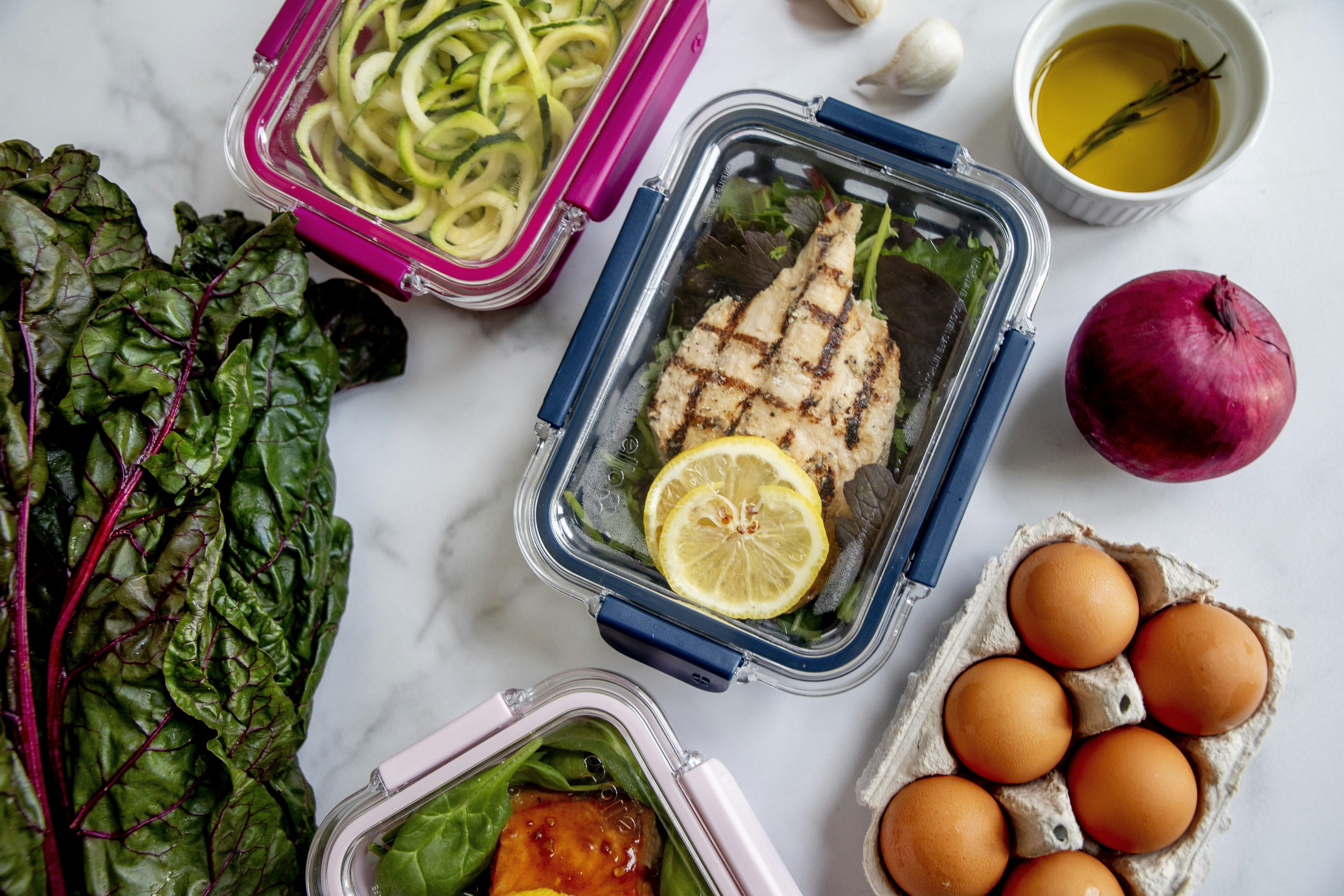
Introduction to Meal Prep
Meal prep ideas has gained significant popularity among busy individuals seeking to streamline their weekly dining routines while maintaining healthy eating habits. The practice involves preparing and packaging meals in advance, allowing for quick access to nutritious food options during the week. This approach is particularly beneficial for those juggling work, family, and other commitments, as it mitigates the stress often associated with mealtime decisions.
One of the most notable advantages of meal prep is the time savings it offers. By dedicating a few hours once a week to cooking and organizing meals, individuals can eliminate the daily hustle of cooking from scratch. This not only facilitates better planning but also encourages individuals to make healthier choices, as pre-prepared meals tend to be more balanced compared to last-minute takeout or processed options.
In addition to saving time, meal prepping can significantly impact one’s health and wellness. By preparing balanced meals, individuals gain control over their diet and can ensure they are consuming adequate nutrients. This proactive approach helps in avoiding unhealthy food choices that often arise from time constraints or lack of meal ideas. Furthermore, by carefully selecting ingredients and portion sizes, individuals can efficiently manage calorie intake and align with their dietary goals.
Cost savings is another crucial benefit of meal prep. By planning meals and buying groceries in bulk, individuals can reduce food waste and take advantage of discounts. Preparing meals at home is typically less expensive than eating out, making meal prepping a budget-friendly solution for many households.
In conclusion, meal prepping is a valuable strategy for busy individuals aiming to maintain a healthy diet while saving time and money. With its various benefits, including reduced stress, improved nutrition, and financial savings, it is an effective way to ensure that healthy eating fits seamlessly into a busy lifestyle.
Understanding Your Schedule
To successfully implement meal prep in your life, it is essential to assess your personal schedule thoroughly. A key first step is to identify the time slots you can dedicate to meal preparation. Start by analyzing your weekly commitments, including work hours, family responsibilities, and any social engagements. This examination will help you pinpoint when you are most likely to have uninterrupted time for meal prep tasks.
Once you have a grasp of your schedule, consider syncing your meal prep with grocery shopping. Making a grocery list based on your meal plans can streamline this process. For example, setting aside time for shopping on weekends can be effective, allowing you to prepare meals on a less hectic day. This alignment ensures you have all necessary ingredients at hand, reducing any last-minute trips to the grocery store during the week.
Another helpful strategy involves planning around your work commitments. If you have demanding work hours, consider meal prepping in the evenings or on days off. You can dedicate just a couple of hours to prepare multiple meals in one session, creating batch portions that can be easily reheated during busy weekdays. Observing how your family schedules align can also provide insights into when you may have the most support for meal prepping.
Furthermore, if your family actively participates in meal prep, engage them in discussions about their preferences and schedules as well. This collaborative approach can transform meal preparation from a solitary task into a shared family responsibility, making it not only effective but also enjoyable.
Essential Tools and Equipment
Meal prepping is an effective way to maintain a healthy diet, especially for busy individuals. To streamline this process, certain tools and equipment are essential. High-quality containers play a pivotal role in portion control and maintaining the freshness of your meals. Opt for airtight containers made from glass or BPA-free plastic, ensuring they are microwave and dishwasher safe. These containers allow for easy transportation and storage, reducing the likelihood of food spoilage.
Another fundamental tool is a reliable cutting board and sharp knives. A good knife set not only enhances your cooking efficiency but also ensures safety during food preparation. Additionally, invest in measuring cups and spoons to help with precise ingredient amounts, aiding in creating balanced meals that meet dietary needs.
For those who prefer to cook in batches, kitchen appliances such as slow cookers, instant pots, and food processors can significantly simplify meal prep. These devices allow for cooking large quantities at once, which is particularly useful for soups, stews, and sauces. Furthermore, having a reliable blender can aid in preparing smoothies or sauces quickly, enhancing your meal options.
Utensils such as spatulas, whisks, and tongs are also essential for the cooking process. Non-stick, heat-resistant utensils will make cooking more manageable and help in maintaining the quality of your cookware.
Finally, label makers or markers are invaluable for keeping your meals organized. Proper labeling of containers with dates and contents assists in using your meals effectively without confusion.
Choosing the Right Ingredients
When it comes to meal prep, selecting the right ingredients is pivotal in crafting nutritious, budget-friendly meals that cater to a busy lifestyle. The foundation lies in the choice of fresh vegetables and other essential components that not only enhance taste but also support a healthy diet. One effective strategy is to focus on seasonal produce. Purchasing fruits and vegetables in season generally ensures the best flavor and nutritional value, as they are harvested at their peak ripeness. Additionally, these items tend to be more affordable due to lower transportation and storage costs.
Another approach to consider is bulk buying. Many grocery stores and warehouse clubs offer discounts on bulk purchases, particularly for staple items such as grains, legumes, and frozen vegetables. By purchasing these ingredients in larger quantities, individuals can reduce per-serving costs while ensuring they have a steady supply of the basics on hand for meal prep. However, it is essential to assess the storage capabilities at home to avoid waste. Proper storage techniques can prolong the shelf life of perishable goods, allowing for greater flexibility and variety in meal planning.
Moreover, balancing taste with health benefits is crucial. Selecting ingredients that are both flavorful and nutritious can elevate home-cooked meals without compromising dietary goals. For example, opting for whole grains instead of refined counterparts can impart a nutty taste while providing fiber and essential nutrients. Additionally, incorporating a variety of colors in fruits and vegetables enriches the meals aesthetically and ensures a broader spectrum of vitamins and minerals. Ultimately, making informed choices regarding ingredient selection can significantly enhance the overall success of meal prepping efforts.
Simple and Quick Recipes
In the fast-paced world we live in, finding the time to prepare healthy meals can be a daunting task. However, with a few simple meal prep ideas, it is entirely possible to have nutritious and delicious options readily available. Below are several easy recipes that cater to busy schedules while allowing you to maintain a healthy lifestyle.
The first recipe to consider is a Chickpea Salad. This straightforward dish involves combining canned chickpeas with diced cucumbers, cherry tomatoes, and a sprinkle of feta cheese. Enhance the flavor with a dressing made from olive oil, lemon juice, salt, and pepper. The entire preparation time is roughly 10 minutes, making it a perfect option for busy individuals.
Another quick and satisfying option is the Vegetable Stir-Fry. Using frozen mixed vegetables can drastically cut down on prep time. Simply sauté them in a pan with a bit of sesame oil, garlic, and soy sauce for a flavorful combination. This dish pairs well with pre-cooked rice or quinoa, which can be prepared in bulk ahead of time.
For those who prefer something a bit heartier, consider Overnight Oats as a nutritious breakfast option. Combine rolled oats with your choice of milk, yogurt, or a dairy-free alternative. Add fruits like bananas or berries and a sweetener such as honey or maple syrup. Allow this mixture to sit overnight in the refrigerator, and you will have a quick meal ready for the next morning.
Lastly, a Quinoa Bowl is another excellent choice. Cook quinoa in advance and store it in the refrigerator. Top with roasted vegetables, some protein such as grilled chicken or tofu, and a drizzle of tahini or balsamic glaze. This meal can be made quickly and provides essential nutrients while catering to a packed schedule.
Efficient Prep Methods
In the fast-paced world we live in, developing efficient prep methods is crucial for busy individuals looking to maintain a nutritious diet without compromising valuable time. One of the most effective strategies is batch cooking. By preparing larger quantities of food at once, you can save considerable time throughout the week. Choose a day, such as Sunday, to cook a variety of meals that can be refrigerated or frozen for later use. This approach not only saves time but also helps in managing grocery expenses effectively.
Another time-saving technique is the proper chopping and storing of ingredients. Before you begin cooking, spend some time prepping vegetables, proteins, and grains. Wash, chop, and store them in airtight containers in the refrigerator. This not only preserves the freshness of the ingredients but also makes it convenient to grab them during meal preparation. Invest in quality storage solutions that can organize your ingredients efficiently, allowing for quick access and minimal confusion when cooking.
Moreover, employing effective cooking methods can greatly enhance your meal prep efficiency. Techniques such as steaming, roasting, or utilizing slow cookers and pressure cookers can significantly reduce your active cooking time. For instance, a pressure cooker can turn tough cuts of meat into tender, flavorful meals in a fraction of the time typically required. Furthermore, these methods often enhance the dish’s nutritional value by retaining essential vitamins and minerals, making your meals not only quicker to prepare but healthier as well.
Ultimately, enhancing your kitchen efficiency through these methods allows for a stress-free cooking experience, encouraging healthier eating habits that align with a busy lifestyle.
Storing and Reheating Meals
Proper storage and reheating techniques are crucial for maintaining the quality of prepped meals. When it comes to storing your food, the right containers make a significant difference. Opt for airtight containers made from glass or BPA-free plastic. These materials not only preserve freshness but also prevent the absorption of odors from other foods in your refrigerator. For optimal results, consider portioning your meals into individual servings. This practice allows for quicker access during the week and minimizes waste by providing a controlled quantity of food for each meal.
Labeling containers with the date they were prepared can also aid in maintaining freshness. Ideally, prepped meals should be consumed within three to four days if stored in the refrigerator. For meals that will not be eaten within this timeframe, consider freezing them. Most cooked meals freeze well, but be cautious with items containing dairy or certain vegetables, as their textures may be affected after thawing.
When it comes to reheating, the microwave is a convenient choice for busy individuals, but it is important to follow best practices. Use microwave-safe lids or cover the food with a damp paper towel to retain moisture and prevent uneven heating. If you prefer, reheating meals in the oven or on the stovetop can enhance flavor and texture. To reheat in the oven, preheat it to a moderate temperature and cover the meal with aluminum foil to prevent it from drying out. On the stovetop, adding a splash of water or broth can help to maintain moisture during the reheating process, ensuring meals remain tasty and appealing.
Tips for Staying Motivated
Maintaining motivation in meal prep can often be challenging, especially for those with busy schedules. Here are some effective strategies to enhance the meal prep experience, ensuring it remains enjoyable and sustainable.
One of the key aspects to staying motivated is to introduce variety into your meal prep. Repeating the same meals week after week can lead to boredom, diminishing your enthusiasm for cooking. To tackle this, consider selecting a few new recipes each week from various cuisines. This not only broadens your culinary skills but also keeps your palate excited and engaged. Additionally, rotating seasonal ingredients can inspire creativity and provide fresh tastes, making your meal prep sessions something to look forward to.
Another useful strategy is to incorporate themed meal prep days. For instance, dedicating one day to preparing Mediterranean meals and another to Asian-inspired dishes can create a fun atmosphere around cooking. Furthermore, sharing your accomplishments on social media or with friends can provide a sense of community and accountability, keeping you motivated to try new recipes and engage in the process.
Setting tangible meal prep goals is vital in sustaining a productive approach. Start small, such as preparing three meals per week, and gradually increase the number to align with your schedule and needs. Keeping track of your progress and celebrating your achievements, no matter how minor, reinforces a positive framework around your meal prep routine.
Ultimately, staying motivated in meal prep involves embracing creativity, welcoming variety, and establishing achievable goals. By establishing an enjoyable cooking routine, busy individuals can reap the benefits of nutritious meals while enjoying the process.
Conclusion and Call to Action
In conclusion, meal prepping offers a practical solution for busy individuals seeking to maintain a healthy and budget-friendly lifestyle. By dedicating a small portion of your time each week, you can prepare nutritious meals that not only save time but also enhance your dietary choices. The key ideas discussed include selecting versatile ingredients, planning meals in advance, and utilizing storage solutions effectively. Remember, meal prep does not have to be complicated; simple and efficient strategies can yield significant benefits.
As you embark on your meal prep journey, consider experimenting with different recipes and adapting them to suit your personal preferences and dietary needs. This flexibility ensures that you remain engaged and satisfied with your meal choices. Whether you opt for batch cooking, freezer meals, or quick snacks, the possibilities are endless. It is crucial to find a meal prep method that aligns with your lifestyle and provides ease in your daily routine.
We encourage you to share your own meal prep ideas and experiences in the comments section below. Your insights can inspire others who may be looking for creative solutions to their busy schedules. Remember that every small step towards better eating habits is a positive change. Join the community of meal prep enthusiasts who are committed to making healthy eating feasible amid their hectic lives. Let’s embark on this journey together and pave the way for a healthier future!
