
VanChop® Meal Prepping 101 Guide
Meal prep as a culinary practice, involves planning and preparing meals in advance to facilitate a healthier and more organized approach to eating. This method typically includes cooking or assembling meals for the week ahead and storing them in containers for future consumption. The origins of meal prepping can be traced back to individuals aiming to optimize their time and resources, but it has rapidly evolved into a widespread trend, particularly in today’s fast-paced lifestyle.
As modern society becomes increasingly busy with work, family commitments, and social activities, meal prepping has gained popularity among individuals of all ages. More people recognize the importance of having nutritious meals readily available, which not only helps in maintaining a balanced diet but also in reducing the stress of last-minute cooking. The practice aligns perfectly with the growing trend towards health-conscious eating and efficient time management.
The benefits of meal prepping are significant. For one, it enhances portion control, which is crucial for managing calorie intake and maintaining a healthy weight. Moreover, preparing meals in advance can lead to cost savings, as buying ingredients in bulk and minimizing food waste are often more economical. Additionally, meal prepping can contribute to making healthier food choices since individuals are more likely to eat home-cooked meals than resort to convenience foods.
This burgeoning interest in meal prepping also reflects a broader cultural movement toward self-care, sustainability, and mindfulness regarding food consumption. By incorporating this planning technique into their routines, individuals are not only prioritizing their health but also reshaping their relationship with food. As meal prepping continues to rise in prominence, its positive implications on nutrition, wellness, and overall lifestyle choices are becoming increasingly evident.
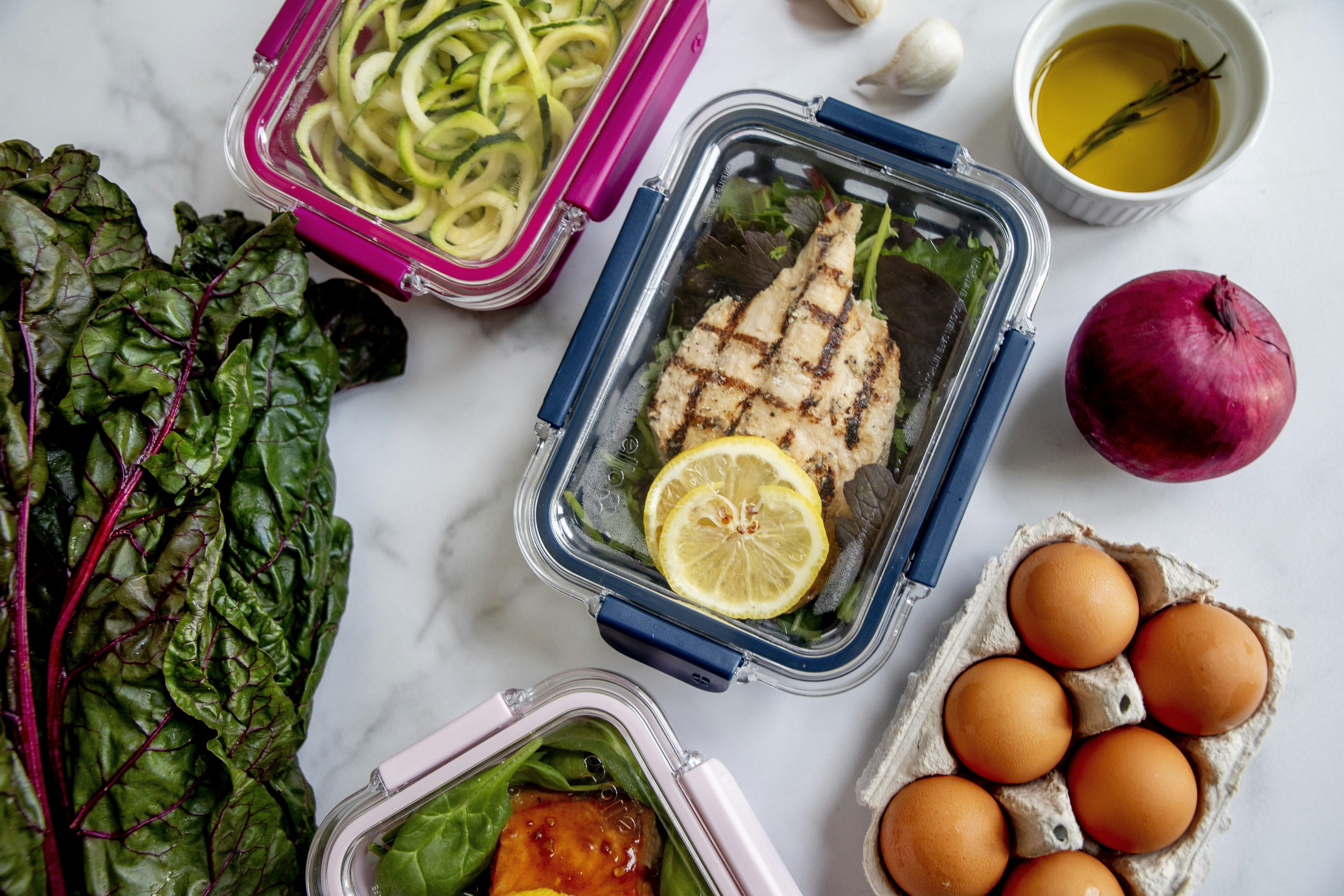
Benefits of Meal Prepping
Meal prepping has gained significant popularity as a dining strategy, offering a range of benefits that cater to the modern lifestyle. One of the foremost advantages is the time-saving aspect it provides. According to a study by the U.S. Department of Agriculture, individuals who engage in meal prepping can save up to 4 hours a week on cooking and cleaning time. This efficiency allows individuals to allocate their time towards other important activities such as work, family, or leisure.
In addition to time savings, meal prepping is an effective way to manage food expenses. The average American family spends about 10% of their income on food, and meal prepping can significantly cut these costs. By planning meals in advance and buying groceries in bulk, individuals can avoid impulse purchases and reduce food waste. Statistics from the Natural Resources Defense Council indicate that around 40% of food produced in the U.S. is wasted, much of which can be mitigated through strategic meal planning.
Healthier eating habits are another substantial benefit associated with meal prepping. With the ability to plan meals ahead of time, individuals can ensure that they are adopting a balanced diet that includes fruits, vegetables, lean proteins, and whole grains. This proactive approach encourages portion control, aiding in weight management and overall dietary balance. Research published in the Journal of Nutrition suggests that individuals who prepare meals in advance tend to have better dietary quality compared to those who eat out frequently.
Lastly, testimonials from avid meal preppers reflect a common sentiment: they experience enhanced satisfaction and reduced stress surrounding meal choices. By knowing exactly what they will eat throughout the week, individuals report feeling less anxious about food decisions, leading to a more enjoyable dining experience. Thus, the multifaceted benefits of meal prepping make it a compelling lifestyle choice that not only supports individual health but also promotes sustainability.
Getting Started with Meal Prepping
As the trend of meal prepping gains popularity, many individuals are exploring this efficient method of meal preparation. For those looking to dive into this food trend, it is crucial to approach meal prepping with the right tools and strategies. First and foremost, investing in quality containers is essential. Opt for various sizes of glass or BPA-free plastic containers with tight-fitting lids to ensure freshness and prevent leaks. Additionally, acquiring reusable silicone bags can help reduce waste and are handy for storing snacks or marinating proteins.
Planning is the cornerstone of effective meal prepping. Start by evaluating your schedule for the week ahead. Consider your work commitments, social plans, and family obligations. From here, outline your meals, focusing on balance. A well-rounded meal consists of a lean protein, complex carbohydrates, and a variety of vegetables. This diversity not only ensures nutritional intake but also keeps meals interesting. During this planning phase, it’s helpful to create a grocery list based on your menu selections, which will streamline the shopping process and reduce impulsive purchases.
When it comes to choosing the best types of dishes to begin with, simplicity is key. Look for recipes that require minimal cooking time and ingredients, such as stir-fries, quinoa bowls, or sheet pan meals. These meals can be easily scaled up for batch cooking. Aim to incorporate similar ingredients across multiple dishes to save both time and money. For instance, a roasted vegetable medley can serve as a side for several meals throughout the week. As you gain confidence in meal prepping, feel free to experiment with new flavors and recipes to expand your culinary repertoire.
Popular Meal Prep Ideas and Recipes
As meal prepping gains popularity, many individuals are exploring various ideas and recipes that cater to diverse preferences and dietary needs. Whether you are a busy professional or a health-conscious individual, having a selection of meal prep ideas can simplify your routine while ensuring balanced nutrition.
For those who follow a vegan diet, a delightful option is a quinoa and black bean salad. This dish can be prepared in batches and stored in individual containers, making it easy to grab on a busy day. Combine cooked quinoa, canned black beans, diced bell peppers, corn, and a zesty lime dressing for a refreshing and nutrient-rich meal. Additionally, roasted seasonal vegetables paired with a tahini dressing can offer a hearty side to accompany any main dish.
If you are catering to gluten-free diets, grilled chicken or tofu with brown rice and steamed broccoli is an excellent choice. Marinating the chicken or tofu in gluten-free sauces such as tamari or balsamic vinegar prior to grilling enhances flavor while maintaining healthiness. Portion them together in containers for convenient access throughout the week.
For those seeking low-carb options, consider meal prepping zucchini noodles accompanied by marinara sauce and turkey meatballs. This dish not only provides sufficient protein but also satisfies the craving for pasta without the added carbs. Pack the components separately to maintain freshness, and combine them when ready to eat.
During the colder months, hearty soups can be a comforting meal prep idea. Options such as lentil soup or chicken vegetable stew can be made in large batches and frozen for later enjoyment. Keep in mind to store them in airtight containers to preserve their flavors and nutrients.
By exploring these popular meal prep ideas and recipes, individuals can foster a well-rounded approach to meal planning that emphasizes both convenience and health.
Meal Prepping for Different Lifestyles
Meal prepping has become increasingly relevant in various lifestyle contexts, allowing individuals and families to streamline their food preparation routines while meeting their dietary goals. By tailoring meal prep strategies according to specific needs, busy professionals, families, and athletes can embrace this trend effectively.
For Busy Professionals: Busy professionals often struggle to find time for cooking amidst their hectic schedules. To effectively meal prep, it is essential to select simple recipes that can be made in bulk, minimizing cooking time during the week. Consider dedicating one day, such as Sunday, to prepare meals for the week ahead. Using techniques like batch cooking and versatile ingredients will help create a repertoire of meals that can be easily mixed and matched. For instance, roasting a variety of vegetables and proteins can yield multiple meal options. Additionally, investing in quality containers for storage can aid in keeping meals fresh and organized.
For Families: Families can particularly benefit from meal prepping by ensuring that all members have healthy meal options available, ultimately reducing the temptation to resort to fast food. This process can be made engaging by involving family members in the planning and preparation stages, fostering a collaborative environment. Preparing meals based on everyone’s preferences while considering balanced nutrition is vital. Utilizing family-friendly recipes that cater to different dietary needs can simplify the cooking process. Creating a meal planning calendar can further assist in maintaining variety while ensuring that meals are enjoyed by all.
For Athletes: Athletes have unique nutritional requirements driven by their training regimens. Meal prepping becomes a strategic approach to ensure adequate fuel and recovery nutrition. By incorporating macronutrient balance into meal plans—such as carbohydrates, proteins, and healthy fats—athletes can optimize performance. Preparing meals that align with pre- and post-workout nutrition will enhance recovery times and energy levels. Utilizing time-efficient cooking methods like grilling or stewing can support athletes in hitting their nutritional targets without time constraints. Customizing portion sizes and incorporating calorie tracking may further assist in meeting specific performance goals.
Storage and Reheating Tips
Meal prepping has gained immense popularity, and proper storage techniques are crucial to ensure that prepped meals maintain their freshness and safety. To begin with, choosing the right storage containers is essential; glass or BPA-free plastic containers with secure lids are recommended. These materials not only preserve the quality of food but also prevent leaks and spills. It is advisable to portion meals into individual servings. This helps in avoiding repeated exposure to air and reduces the risk of bacterial growth.
When it comes to storing prepped meals, the first consideration should be the temperature at which food is stored. Cooked meals should be cooled to room temperature before transferring them to the refrigerator or freezer. According to food safety guidelines, meals should be consumed or refrigerated within two hours of cooking. For those utilizing the freezer for long-term storage, wrapping items tightly in freezer bags or using airtight containers can help prevent freezer burn. Labeling containers with dates is another effective practice, allowing you to keep track of freshness and prioritize consumption.
Reheating meals properly is equally important to preserve both flavor and nutritional value. When reheating, it is best to do so gradually to avoid the formation of hot spots that can lead to overcooking. Using a microwave can be convenient, but stirring the food halfway through the heating process ensures even heating. Alternatively, reheating in an oven may keep a more consistent texture. Adding a splash of water to the meal before reheating helps to maintain moisture and prevents the food from becoming dry. Steaming is another effective reheating method, especially for vegetables, retaining their nutrients and vibrant colors.
Common Mistakes to Avoid in Meal Prepping
Meal prepping can be an excellent way to save time, reduce food waste, and maintain a healthy diet. However, many individuals encounter common pitfalls that can lead to frustration and failure in their meal prep journey. Understanding these mistakes is crucial for a successful meal prepping experience.
One of the most significant issues people face is over-portioning. While it may be tempting to prepare large quantities for convenience, this can lead to excessive food waste if meals are not consumed within the week. It is beneficial to adopt portion sizes that align with your dietary needs and lifestyle. Utilizing containers of different sizes can help in managing portions effectively while also allowing for flexibility.
Another common mistake is poor planning. Not dedicating enough time to formulating a meal plan can result in haphazard cooking sessions that feel rushed and chaotic. To avoid this, spend time each week identifying recipes that you wish to prepare and creating a shopping list based on these selections. This practice not only streamlines the cooking process but also ensures that all ingredients required are on hand, which reduces the likelihood of last-minute takeout meals.
Lack of variety is also a frequent concern. Preparing the same few meals repeatedly can lead to meal fatigue, diminishing the excitement of eating. To counteract this, aim to incorporate diverse ingredients into your meal prepping routine. Experiment with different cuisines, seasonal vegetables, or protein sources. This diversity not only enriches your diet but also keeps your taste buds engaged throughout the week.
By being aware of these common meal prepping mistakes and implementing strategies to avoid them, you can significantly enhance your meal prepping success and enjoy the numerous benefits it offers.
Meal Prepping and Nutrition
Meal prepping is not solely about convenience; it also plays a significant role in achieving optimal nutrition. By planning meals in advance, individuals can ensure they are consuming a balanced intake of macronutrients, including carbohydrates, proteins, and fats, along with essential micronutrients, such as vitamins and minerals.
The cornerstone of a healthy diet is understanding the right balance of macronutrients tailored to individual lifestyle and health goals. For instance, if an individual aims to build muscle, incorporating sufficient protein through meal prepping is vital. This could include preparing grilled chicken, legumes, or quinoa in advance to elevate protein intake. Conversely, someone focused on weight loss may prioritize meals rich in fiber and healthy fats, such as beans, avocados, and whole grains, which promote satiety and encourage a healthy eating pattern.
Moreover, having a variety of ingredients on hand allows for a colorful plate, rich in micronutrients. Colorful fruits and vegetables provide antioxidants and other beneficial compounds that bolster health. When meal prepping, it is prudent to include a range of colors, ensuring the consumption of vital nutrients. For example, incorporating leafy greens, berries, and bell peppers into meals not only enhances their visual appeal but also boosts nutritional value.
Additionally, meal prepping can mitigate the risks associated with unhealthy eating habits. By preparing meals at home, individuals have more control over ingredients and portion sizes, thus avoiding the pitfalls of fast food or processed snacks which can be high in sodium and unhealthy fats. Ultimately, successful meal prepping hinges on planning balanced meals that meet nutritional needs while fostering healthy eating behaviors.
Conclusion and Final Thoughts on Meal Prepping
In recent years, meal prepping has gained significant popularity as a convenient and health-focused approach to meal management. This trend not only allows individuals to save time during busy weekdays but also promotes healthier eating habits by reducing the temptation to choose less nutritious options. The main points discussed in this blog post highlight the benefits of meal prepping, including time efficiency, cost savings, and improved nutritional quality.
Through strategic planning and preparation, anyone can efficiently create meals that align with their dietary preferences and health goals. Key strategies involve selecting diverse recipes, preparing ingredients in bulk, and utilizing proper storage methods to maintain freshness. Furthermore, the psychological advantages of meal prepping cannot be overlooked; it encourages mindful eating and promotes regular meal times, contributing to overall well-being.
We strongly encourage readers to experiment with meal prepping in their own lives. Start small by dedicating one day a week to prepare simple meals, gradually working up to a more established routine as comfort and familiarity grow. As you embark on your meal prepping journey, consider documenting your experiences—this could be through sharing photos on social media or writing about your meal prep successes and challenges. Engaging with the community can provide motivation and inspiration, fostering a collective appreciation for this transformative food practice.
Ultimately, embracing meal prepping is more than just adopting a food trend; it is an empowering step towards better health management and lifestyle organization. We invite you to share your personal stories and insights into meal prepping, contributing to a growing dialogue that supports our collective journey toward healthier eating.
External authority links
Healthy eating For balanced meals, follow the recommendations in the NHS Eatwell Guide.