
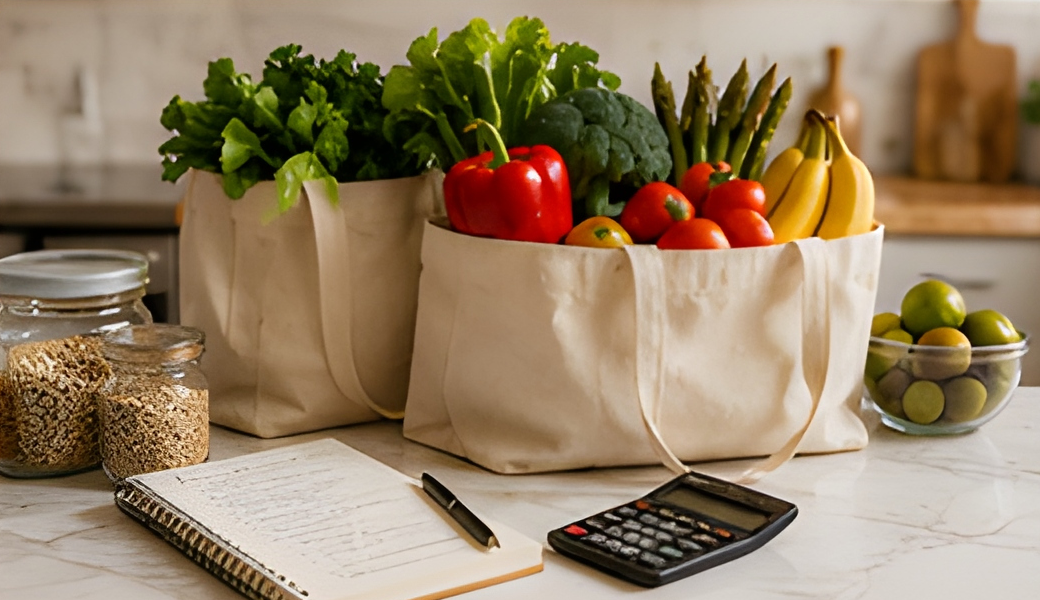
With grocery prices continuing to put pressure on household budgets, making every weekly shop go further has never been more important. A weekly meal system helps you plan ahead, reduce food waste, and avoid expensive last-minute purchases.
As a member, every weekly collection includes meal prep ideas, shopping lists, recipes, and ingredient prep guides—making healthy home cooking simpler, more affordable, and sustainable.
The importance of this approach lies not only in its convenience but also in its sustainability. By committing to a meal system, individuals are encouraged to shop consciously, often opting for fresh, seasonal, and local ingredients. This practice not only minimizes food waste but also reduces the carbon footprint associated with food transportation. When people prepare meals at home rather than relying on takeout or pre-packaged options, they can make healthier choices while fostering a connection to their food sources.
Additionally, a weekly meal system promotes mindful eating habits. With planned meals, individuals can better balance their nutritional intake, ensuring that they incorporate a variety of food groups. This organized approach allows for experimentation with new recipes and ingredients that might otherwise be overlooked in spontaneous cooking scenarios.
Furthermore, as environmental concerns continue to rise, a weekly meal system serves as a practical solution for those who wish to lessen their impact on the planet. As awareness grows around issues such as food waste and the benefits of a plant-based diet, the weekly meal system emerges as an invaluable tool for both personal health and ecological sustainability. By exploring this system further, we can uncover numerous advantages it offers to those who adopt it.
Benefits of Meal Planning
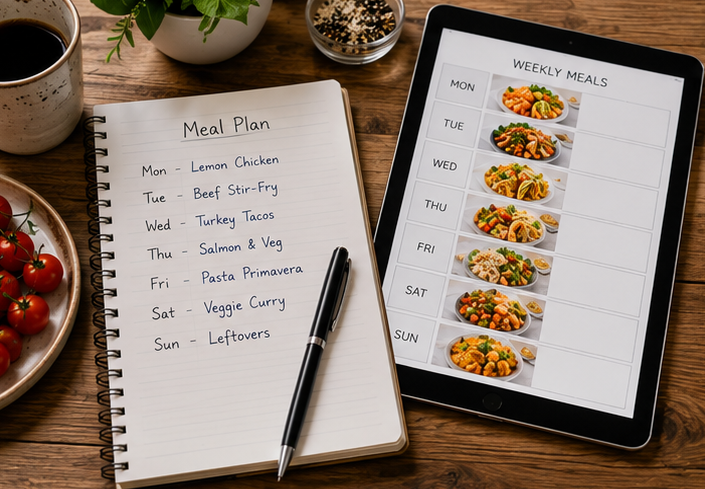
Meal planning has gained popularity as a method not only to simplify the cooking process but also to promote a more sustainable lifestyle. One of the primary benefits of meal planning is the significant amount of time it can save during the week. By taking an hour or two to plan meals, shoppers can create grocery lists tailored to their planned dishes, eliminating unnecessary trips to the store. This efficiency in meal preparation can free up time for individuals and families, allowing them to focus on other priorities or enjoy leisure activities.
Additionally, meal planning plays a crucial role in reducing food waste. When meals are organized and ingredients are pre-portioned, the likelihood of overbuying perishables diminishes. As a result, families can make better use of the ingredients at hand, leading to less spoiled food that ultimately ends up in landfills. With this proactive approach, waste is minimized, making meal planning a key aspect of sustainable cooking at home.
Cost efficiency is another significant aspect that warrants attention. Planning meals allows individuals to take advantage of sales and seasonal produce, which can drastically cut grocery costs. By focusing on specific ingredients and avoiding impulse buys, people are able to stick to their budgets while still enjoying a variety of healthy meals throughout the week. Furthermore, cooking at home rather than dining out ensures better control over food choices, leading to healthier eating habits and mindful consumption.
As we consider these benefits, it becomes evident that meal planning extends beyond simplicity and convenience. By organizing meals in advance, individuals are empowered to make more sustainable choices, such as reducing waste and cutting costs, ultimately fostering a healthier lifestyle.
Creating Smart Shopping Lists
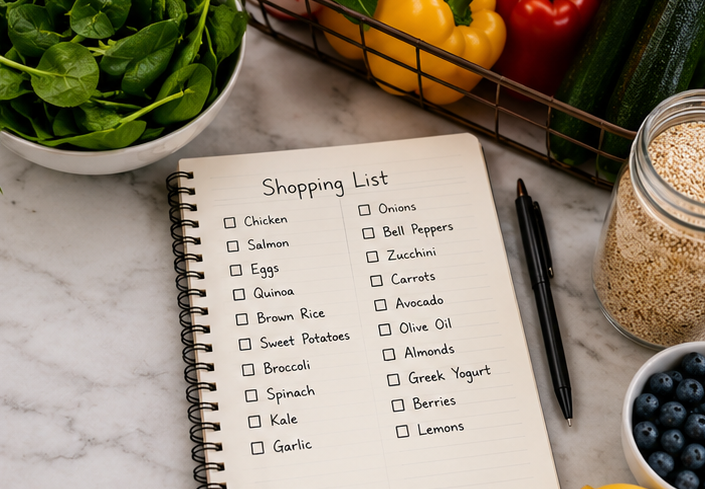
Creating an efficient shopping list is an essential component of a successful weekly meal system. A well-structured list can streamline the shopping process, ensuring that you acquire all necessary ingredients aligned with your meal plan while minimizing both impulse purchases and excessive food waste.
To begin with, categorize items on your shopping list. Grouping similar items together—such as vegetables, proteins, grains, and pantry staples—can make your shopping trip more efficient, saving both time and effort. This method not only enhances organization but also helps you quickly identify what is required from each section of the store, allowing for a more focused and productive shopping experience.
Prioritizing fresh ingredients is another crucial strategy. Planning your meals around seasonal produce can lead to healthier, more flavorful dishes while reducing environmental impact. When creating your shopping list, it is advisable to assess which fresh items you will need for the week, allocating sufficient quantities to accommodate your recipes while aiming to utilize them before they deteriorate.
Furthermore, smart shopping helps to curb impulse buys, which are often a significant contributor to food waste. When individuals shop without a structured list, they may be tempted by items that aren’t necessary for their meals, leading to surplus purchases that might go unused. By adhering to a well-prepared list, you can resist these distractions and remain focused on what contributes to your weekly meal plan.
In essence, developing an organized shopping list aligned with your meal plan not only streamlines the shopping process but also supports sustainable cooking at home. By implementing effective categorization, prioritizing fresh produce, and minimizing impulse purchases, you position yourself for culinary success while contributing positively to your household’s sustainability goals.
Meal Prep Strategies
Meal prep is an effective approach that maximizes efficiency in the kitchen while ensuring that nutritious meals are readily available. One key strategy is batch cooking, which involves preparing large quantities of food at once. This technique not only saves time but also reduces food waste, as it encourages the use of ingredients while they are still fresh. When batch cooking, selecting versatile recipes that can be divided into portions is essential. Dishes such as casseroles, soups, and stews can be easily prepared in larger quantities and stored for future dinners.
Another effective strategy is to prepare ingredients in advance. This may include washing, chopping vegetables, or marinating proteins prior to cooking. By doing so, the time spent cooking each meal is significantly reduced during busy weekdays. A good practice is to designate a specific day, often the weekend, for meal prep. On this day, abundant time can be allocated for organizing, cooking, and packaging meals for the upcoming week.
Storage also plays a critical role in maintaining the freshness of prepped meals. Investing in high-quality, airtight containers is advisable to preserve flavors and textures. Labeling these containers with dates and contents helps keep track of what needs to be consumed first, further minimizing waste. Both refrigerating and freezing options are useful; while the fridge is perfect for meals to be consumed shortly, freezing can extend the life of prepared foods considerably.
Moreover, time-management techniques can enhance the meal prep experience. Utilizing kitchen tools such as slow cookers or instant pots allows for multitasking, freeing up time to engage in other tasks during the cooking process. By adopting these meal prep strategies, individuals can master the art of efficient cooking, paving the way for a sustainable weekly meal system.
How to incorporating seasonal produce and ingredients

Embracing a meal system that focuses on seasonal produce offers a myriad of advantages that contribute both to the quality of meals and sustainability. One primary benefit of using seasonal fruits and vegetables is the enhancement of flavor. Produce that is harvested at its peak ripeness is more likely to exhibit vibrant flavors, making meals more enjoyable and satisfying. For instance, in summer, tomatoes and berries burst with sweetness, while root vegetables shine in the autumn months.
From a nutritional perspective, seasonal produce is often more nutrient-dense. When fruits and vegetables are allowed to ripen naturally in their optimal growing conditions, they tend to provide more vitamins and minerals. For example, winter greens like kale and spinach are rich sources of vitamins A and C and should be included in meal plans during the colder months.
In terms of ecological impact, seasonal eating significantly reduces the carbon footprint associated with food transportation. When consumers choose locally sourced, seasonal foods, they inherently support local agriculture and contribute to the local economy. This choice minimizes the exposure to pesticides and fertilizers that are often used to grow out-of-season produce in distant regions, which can have detrimental effects on the environment.
Moreover, seasonal produce often requires less artificial energy to cultivate, leading to lower emissions and ecological strain. By prioritizing local farmers and their seasonal offerings, home cooks can make a profound difference in their community and contribute positively to sustainable practices.
Ultimately, integrating seasonal produce into a weekly meal planning system is not only beneficial for personal health and taste but also plays a vital role in promoting sustainable cooking habits at home.
Budgeting for a Weekly Meal System
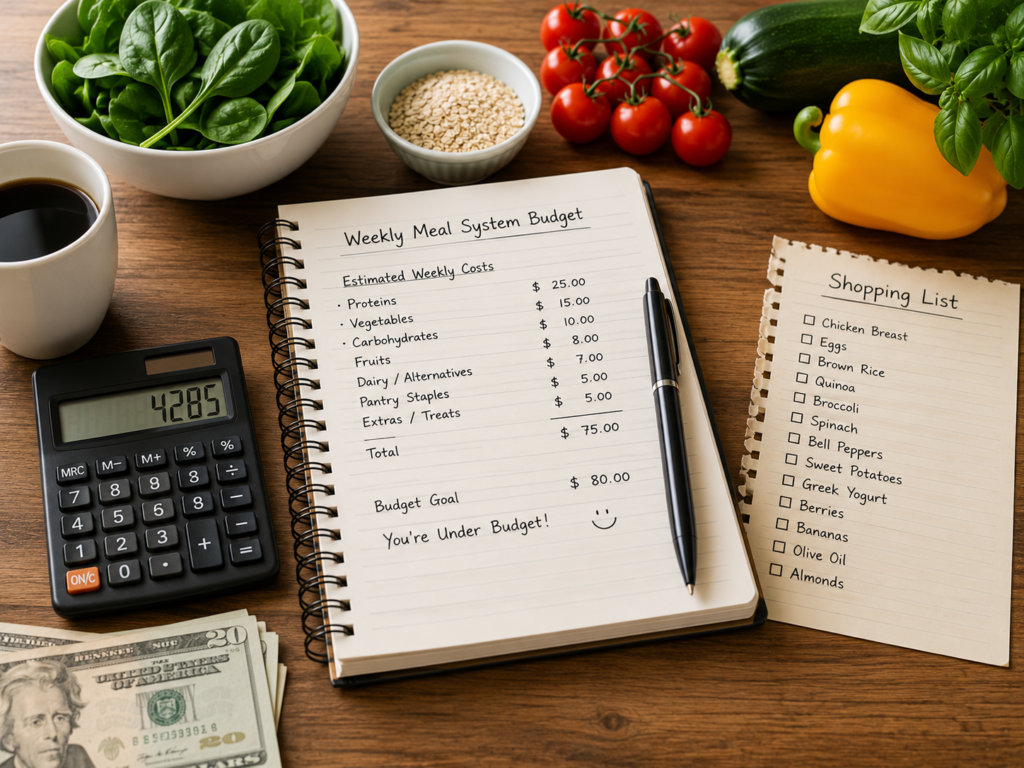
Establishing a budget for a weekly meal system is crucial for both financial and nutritional sustainability. By meticulously planning your meals, you can estimate costs more effectively and make informed decisions at the grocery store. The first step in this budgeting venture is to evaluate your current grocery expenses. Track your spending for a few weeks to understand your baseline costs. Identify which items are essential for your weekly meals and where cost savings can be made.
When creating your budget, prioritize versatile ingredients that can be used across multiple recipes. For example, bulk grains, legumes, and seasonal vegetables not only tend to be more affordable but also provide versatility in various dishes. Purchasing produce that is in-season can further reduce costs while ensuring you have access to fresh and nutritious options. Additionally, consider incorporating frozen fruits and vegetables into your meal system as they can often be cheaper, eliminate waste, and maintain nutritional value.
Another great technique is to employ meal planning and create a shopping list based on your weekly recipes. This practice not only helps in estimating the overall cost but also minimizes impulse buying, which can quickly derail a budget. Most importantly, review store flyers and take advantage of sales for items that fit within your meal system. Keeping an eye on unit prices can help determine the best deal when comparing different brands. Some households find it beneficial to utilize digital apps or tools designed for budgeting, which can simplify the process of tracking expenses and setting weekly goals.
Overall, effective budgeting for a weekly meal system involves thoughtful planning, awareness of spending habits, and strategic choices regarding ingredient selection. By prioritizing cost-effective and nutritious ingredients, you lay a solid foundation for financial sustainability in your home cooking routine.

Reducing Packaging Waste
One of the most pressing issues in modern cooking is the excessive packaging waste generated from grocery shopping. By adopting a weekly meal system, individuals can take significant steps towards reducing this waste, fostering a more sustainable kitchen environment. Here are some strategies that can be implemented to minimize packaging waste while ensuring an efficient cooking routine.
First and foremost, consider bulk buying whenever possible. Purchasing items in larger quantities often results in less packaging waste, as bulk items typically use minimal wrapping compared to individually packaged goods. Stores featuring bulk bins, such as those for grains, nuts, and spices, allow consumers to buy just the amount needed while reducing excess plastic and cardboard. Coupled with this, bringing your own reusable containers to these bulk sections can further diminish packaging waste, aligning perfectly with the principles of sustainability.
Secondly, when shopping for fresh produce, opting for items that are sold without plastic wrapping can significantly cut down on waste. Many grocery stores now offer a variety of unwrapped fruits and vegetables. Utilizing reusable produce bags when selecting these items can enhance eco-friendliness, ensuring that these products are transported without introducing new plastic into the home. Moreover, some markets and farms also provide the option to buy directly from the source, often with far less packaging.
In addition to these practices, adopting a meal planning approach is crucial. By strategically planning meals for the week, the chances of food spoilage and the consequent waste of packaging are drastically reduced. Individuals can purchase only the necessary ingredients, allowing for optimized usage and minimizing any leftovers that may ultimately go to waste.
By conscientiously incorporating these practices into a weekly meal system, it is possible to create an eco-friendly kitchen environment while significantly reducing packaging waste.
Building Long-Term Home-Cooking Habits
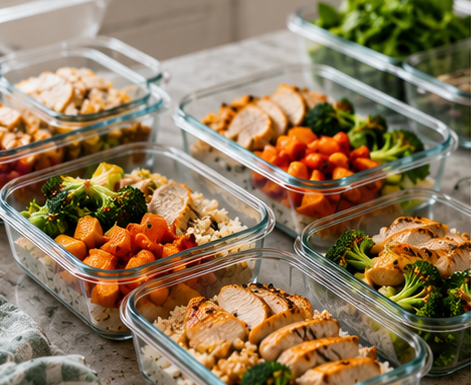
Establishing sustainable home-cooking habits is essential for individuals who wish to foster a lifestyle centered around nutrition and environmental mindfulness. One effective way to achieve this is by developing a weekly meal system that encourages consistent and enjoyable cooking practices. This structure not only simplifies meal preparation but also enhances the likelihood of sticking to home-cooked meals in the long run.
To start, motivation plays a crucial role in maintaining these habits. Setting realistic goals can help; for example, begin with preparing three home-cooked meals a week and gradually increase as confidence builds. Tracking progress through meal planning apps or physical journals can provide visual motivation and accountability. Celebrate small victories, such as trying a new recipe or successfully using up leftovers, which will amplify the sense of accomplishment and drive to continue.
Community engagement also helps promote sustainable cooking habits. Joining local cooking groups or online forums can provide valuable support and inspire creativity by sharing ideas, tips, and recipes. Participating in community potlucks or farmer’s market trips can strengthen social ties, making home cooking a shared experience. These connections foster an environment where home-cooking practices are observed, encouraged, and celebrated.
Integrating cooking into daily life can be seamlessly achieved through strategic planning. Carving out dedicated time each week to meal prep can ease the weekday rush, making it less daunting to choose home-cooked options. Incorporate cooking into family routine by encouraging participation from all members, which not only teaches nutritious eating habits but also reinforces familial bonds.
By fostering motivation, engaging with the community, and implementing practical habits, individuals can successfully develop long-term home-cooking rituals that contribute to healthier lifestyles and more sustainable food practices in their households.
Common Mistakes to Avoid and FAQs
Implementing a weekly meal system can significantly enhance your cooking experience, yet there are common pitfalls to be aware of. One prevalent mistake is failing to create a comprehensive grocery list. Many novice meal planners either overlook this step or make the list too broad, leading to confusion during shopping. A detailed grocery list not only ensures you have all necessary ingredients but also reduces food waste and promotes more organized cooking sessions.
Another common oversight is not incorporating variety into the weekly meal plan. Repeating the same recipes can lead to culinary monotony, making it less likely that you will stick with your meal system. To mitigate this, consider rotating recipes regularly and exploring new ingredients or meals that keep your diet fresh and exciting.
Time management presents another challenge. It’s essential to allocate sufficient time for meal prep and cooking, especially for those new to this approach. Starting with simple recipes and gradually increasing complexity can help ease the transition into regular meal preparation. Aim for a balance that fits comfortably into your schedule without becoming overwhelming.
As for frequently asked questions, many new meal planners wonder how to store prepped meals effectively. Utilizing airtight containers in the appropriate sizes ensures freshness while also providing easy access during the week. Another common query relates to the flexibility of the meal plan—how do you handle unexpected schedule changes? Having a few quick-preparation meals on hand can mitigate the impact of unforeseen events, ensuring you still adhere to your plan.
With attention to grocery organization, meal variety, and time allotment, implementing a weekly meal system can truly be a sustainable choice for home cooking. By avoiding these common mistakes and understanding best practices, anyone can improve their cooking routine and enjoy the benefits of home-cooked meals.
Real home cooking starts here
Start $50+ meal bundle for just $1 today.
Renews at $7/month after 30 days • Cancel anytime