
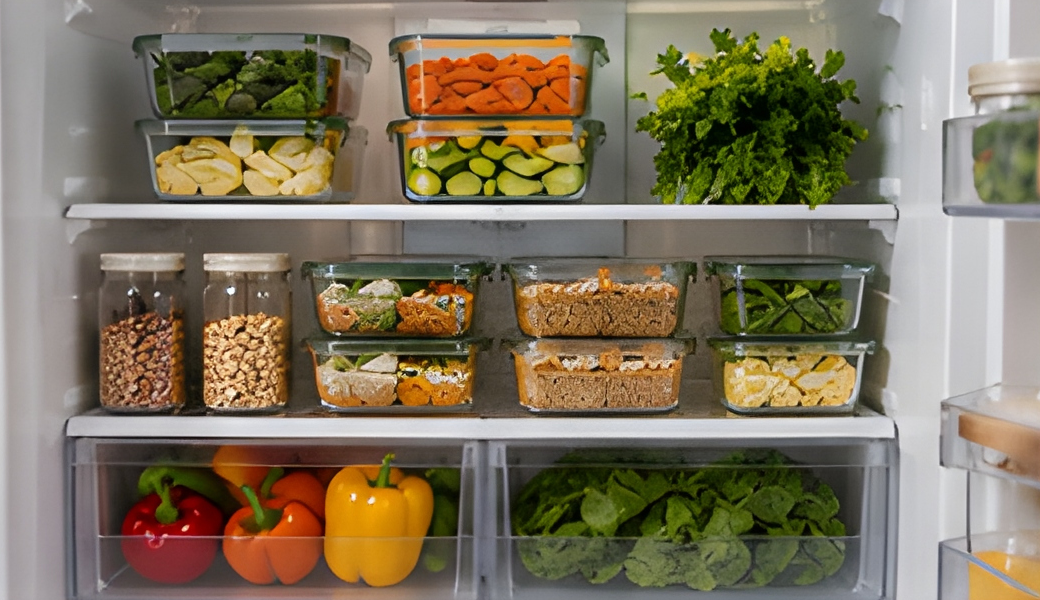
About meal prepping.
Meal prepping is a methodical approach to cooking and organizing food in advance, which has garnered significant attention in recent years. The concept of meal preparation revolves around preparing and portioning meals or their components ahead of time, allowing individuals and families to enjoy nutritious options without the hassle of daily cooking.
This trend has grown in popularity, particularly among busy professionals, fitness enthusiasts, and families looking to optimize their time and budgets.
The practice of meal prepping generally involves planning out meals for the week, shopping for ingredients in one go, and cooking in batches. By dedicating a few hours on a specific day, usually during the weekend, individuals can create balanced meals, snacks, or even work lunches that are ready to eat. This not only eliminates the need to cook every day but also reduces the likelihood of impulse eating or resorting to unhealthy fast food options.
In addition to its convenience, meal prepping can be a cost-effective strategy. By purchasing ingredients in bulk and planning meals around seasonal or sale items, one can significantly reduce grocery expenses. Furthermore, pre-prepared meals can help mitigate food waste as ingredients are utilized more efficiently, and leftovers can be repurposed into new dishes. As people increasingly prioritize health and wellness, meal prepping stands out as an effective way to ensure that nutritious meals are always within reach, providing a sustainable solution for modern lifestyles.
Time-saving benefits of meal prepping
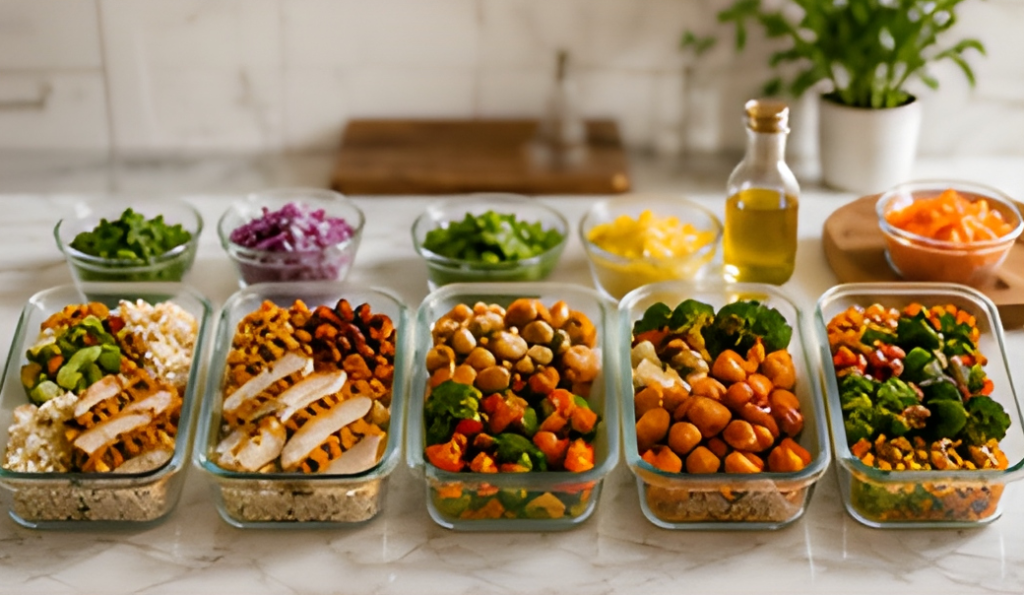
Meal prep has become increasingly popular as individuals and families seek ways to maximize their efficiency in the kitchen while minimizing the stress associated with daily cooking. The practice of preparing meals in advance can lead to substantial time savings during the week. Studies show that meal prepping can reduce cooking time by up to 50%, allowing individuals to reclaim precious hours that might otherwise be spent on daily meal preparation.
One of the key advantages of meal prep is the strategic planning involved. By dedicating a few hours on the weekend or at a designated time during the week to prepare meals, individuals can streamline their cooking process. Pre-chopping vegetables, marinating proteins, and assembling ingredients for quick access can significantly shorten actual cooking times. On average, people who engage in meal prep report spending only about 1 to 2 hours per week on meal preparation, compared to the standard 5-7 hours typically required for daily cooking.
Another notable benefit of meal prepping is the reduction in decision fatigue. Every day, individuals must decide what to eat, which can lead to inefficiencies and extended time spent in the kitchen. Meal prepping reduces the need to make these choices last minute, providing a clear plan and allowing for quicker execution during mealtime. According to a survey by the Food Marketing Institute, 80% of people stated that having prepared meals on hand simplifies their weeknight routines, making it easier to maintain healthy eating habits without wasted time.
Furthermore, with meal prep, cooking routines become less chaotic. As meals are pre-assembled or partially cooked, the process of warming or finishing dishes becomes a matter of minutes rather than hours. Incorporating meal prep into one’s weekly schedule not only saves time but also contributes to a more organized and efficient kitchen environment.
How meal prep regularly reduces boxes, plastics and food waste
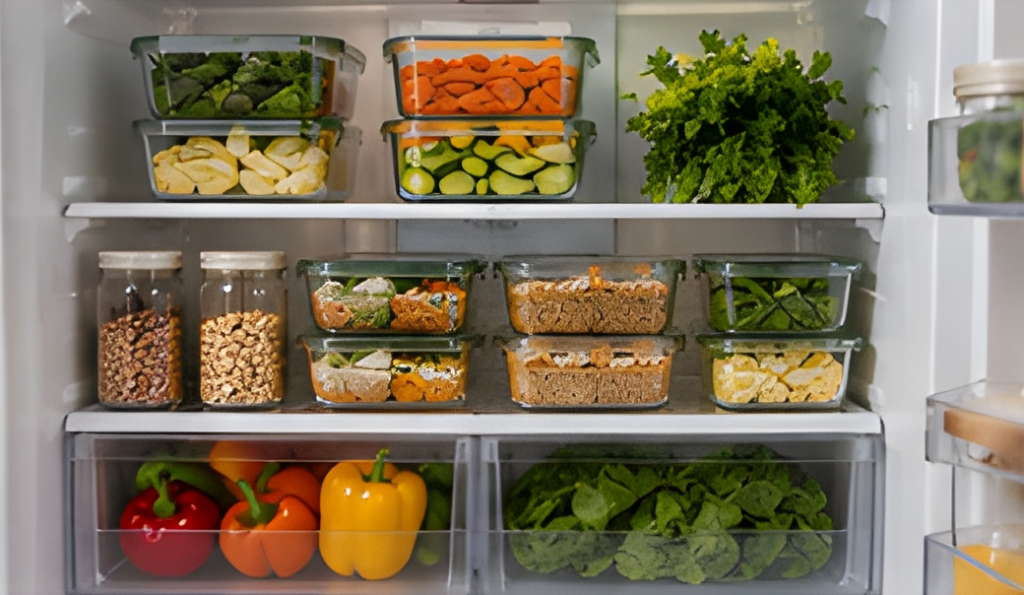
Meal preparation is an efficient practice that can significantly mitigate food waste, a critical concern in modern society. By meticulously planning meals in advance, individuals are more likely to purchase only the ingredients necessary for their planned recipes, thereby avoiding the impulse buys that often lead to excess food waste. This methodical approach ensures that perishable items are utilized to their full potential, reducing the likelihood of food spoiling before it can be consumed.
One of the primary advantages of meal prepping is the ability to curate ingredient lists based on specific recipes. When individuals prepare a structured meal plan, they can focus their shopping on required items, minimizing extraneous purchases that may never get used.
For instance, if a meal prepper decides to cook a specific dish that requires a unique ingredient, they are unlikely to acquire unnecessary items that lead to food wastage. This calculated shopping not only saves potential leftovers but also promotes a mindful attitude toward food consumption.
Moreover, the process of meal prepping encourages the use of leftovers. By allocating meals created from leftover ingredients, individuals can creatively repurpose remnants from previous meals instead of letting them go uneaten. This not only aids in variety in the diet but also fosters a more sustainable approach to eating. For example, leftover vegetables from one meal can be incorporated into soups or stir-fries the following days, contributing to a more holistic food cycle.
In summary, meal prep serves as a strategic tool in the fight against food waste. By planning meals and adhering to organized shopping lists, individuals can ensure that they buy only what they need, utilize every ingredient effectively, and reduce the likelihood of discarding unnecessary food items. This disciplined approach not only contributes to financial savings but also promotes sustainability and a more conscientious food consumption habit.
How to lower your grocery costs with smart shopping recommendations
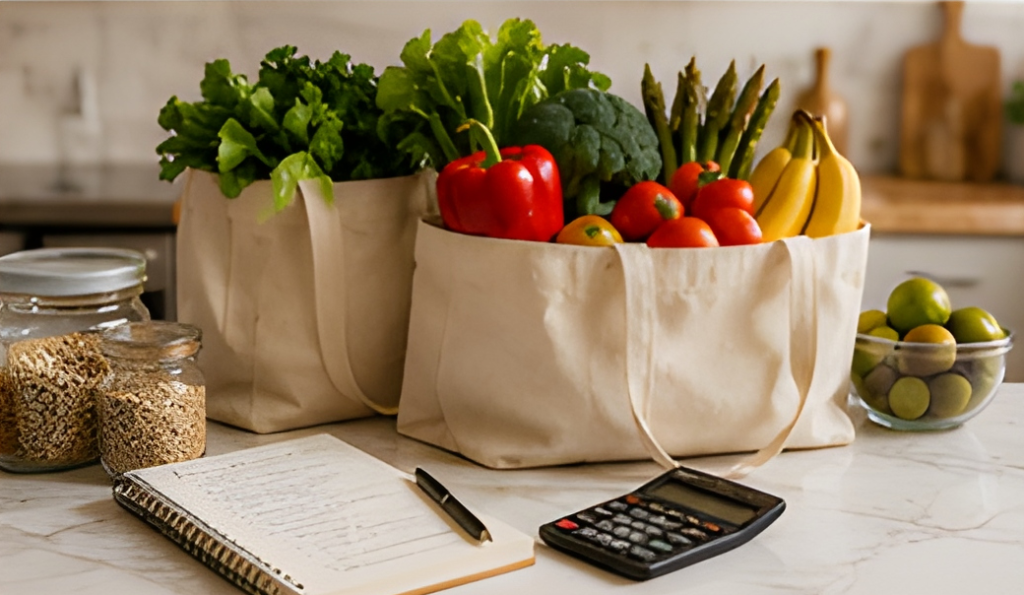
Meal prepping not only simplifies the cooking process but also plays a crucial role in reducing grocery costs. When individuals decide to plan their meals ahead of time, they can strategically formulate their shopping lists based on the ingredients required, which minimizes impulse purchases and lessens the likelihood of buying unnecessary items. This meticulous planning encourages a more disciplined approach to grocery shopping, ensuring that every purchase aligns with the planned meals for the week.
Moreover, meal prepping provides an excellent opportunity for bulk purchasing. Many grocery stores offer discounts on items bought in larger quantities, which can result in significant savings over time. When an individual buys certain staples, such as grains, legumes, or proteins in bulk, the cost per unit decreases, thereby contributing to overall grocery savings. This economic advantage can be particularly beneficial when buying healthier options, which often carry a higher price tag compared to their less nutritious counterparts.
The financial benefits extend beyond just bulk purchasing. Meal prepping allows individuals to make use of seasonal produce that is often less expensive and at its peak freshness. This practice not only reinvigorates meal variety but also leads to better nutritional choices while keeping costs manageable. Additionally, by being proactive about what ingredients one already has on hand, it is possible to minimize food waste, further enhancing the cost-effectiveness of the grocery budget.
Overall, embracing meal prep can significantly transform shopping habits. The combination of strategic planning, bulk purchasing, and optimized use of ingredients naturally leads to reducing overall grocery bills. By allowing for a more organized and informed grocery shopping experience, meal prep acts as a catalyst for financial prudence, enabling individuals to save time and money while enjoying healthier meals.
Knowing what to prep make healthy cooking simple
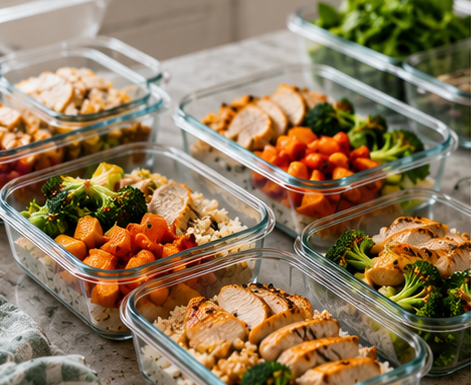
Meal prep is a highly effective strategy for streamlining the cooking process, especially for individuals seeking to maintain a balanced diet. By dedicating a specific time to prepare meals in advance, individuals can reduce the daily stress associated with cooking while ensuring that nutritious options are readily available. This approach not only saves time but also significantly cuts down on food waste, as meals are planned prior to being made.
One of the main benefits of meal prepping is that it allows for better control over the ingredients used in meals. Home-cooked meals generally contain fewer preservatives and unhealthy additives compared to takeout or processed foods. By preparing meals in advance, individuals can incorporate a variety of fruits, vegetables, whole grains, and lean proteins into their diet, thereby promoting healthier eating habits. This process simplifies the decision-making that often accompanies choosing what to eat daily, making it easier to resist the temptation of fast food or unhealthy snacks.
Moreover, meal preparation encourages portion control, which is vital for maintaining a balanced diet. When food is pre-portioned, it reduces the chances of overeating and helps individuals stick to their nutritional goals. Additionally, having cooked meals on hand can be particularly advantageous for those with busy lifestyles. It eliminates the need for late-night cooking sessions or unhealthy dining options due to lack of time, allowing individuals to focus on other priorities without sacrificing their health.
In conclusion, the integration of meal prep into one’s weekly routine simplifies the process of healthy cooking. It not only promotes a balanced diet but also makes nutritious food choices more accessible, ultimately leading to better health outcomes.
Practical tips for building your home-cooking System
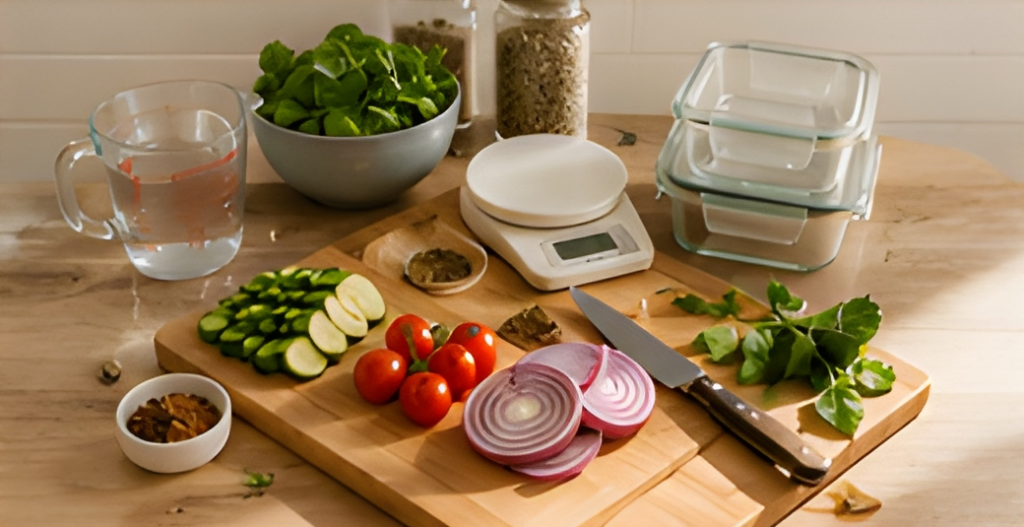
Implementing an effective meal prep routine can greatly enhance your efficiency in the kitchen while simultaneously saving time and money. To ensure success, it is crucial for beginners to start with some practical tips tailored for their specific needs.
First and foremost, investing in the right containers is essential. Opt for high-quality, airtight containers that are freezer, microwave, and dishwasher safe. Glass containers are particularly advantageous as they provide durability and do not retain odors or stains. Additionally, consider choosing various sizes to accommodate different portions, from single servings to family-sized meals. Color-coded containers can also simplify the meal identification process if you are prepping multiple meals at once.
Designating specific days for meal prep is another effective strategy. This not only helps create a consistent routine but also aligns with your schedule. Many individuals find that prepping meals on a weekend works best, as it provides the necessary time to plan and prepare meals for the week ahead. Block out a few hours each week to focus solely on this task, ensuring that distractions are minimal, so you can concentrate on meal preparations.
Creating a meal prep schedule can further streamline the process. This involves planning out your meals for the week, choosing recipes that share ingredients, and making a shopping list based on this plan. By doing this, you can prevent food waste and make the most out of your grocery spending. Keep the schedule transparent and accessible, placing it on a family board or digital calendar to ensure everyone stays informed about what meals are prepared and when.
Incorporating these foundational practices will lay the groundwork for a successful meal prep routine. By choosing the right containers, dedicating specific days for prep, and planning your meals effectively, you can enjoy the myriad benefits of meal prepping, such as enhanced time management and reduced food costs.
Some helpful shopping strategies for meal prep real food
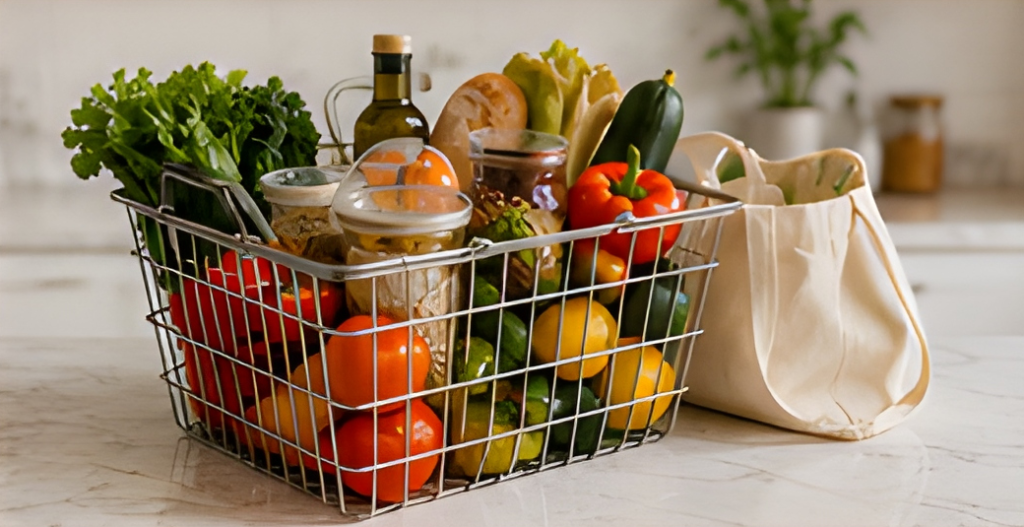
Efficient grocery shopping is essential for successful meal prep, as it directly affects both the time and money saved in the kitchen. To begin, creating a comprehensive shopping list is paramount. This list should be based on a well-planned meal prep strategy, incorporating meals for the week ahead. By organizing the list according to categories—such as proteins, vegetables, grains, and condiments—shoppers can save time navigating the grocery store, reduce impulse purchases, and ensure that nothing essential is overlooked.
Sticking to the shopping list is equally critical to keep expenses manageable and to adhere to meal prep goals. One effective strategy is to avoid shopping when hungry, as this can lead to spontaneous and often unnecessary purchases.
Additionally, consider shopping in a timely manner, perhaps early in the morning or later in the evening, when the store is less crowded. This not only contributes to a more focused shopping experience but also allows for easy access to fresh produce, which is vital for meal prep.
When it comes to quality ingredients, prioritizing fresh, seasonal options can lead to healthier meals and savings. Local farmers’ markets often provide an abundance of seasonal produce at competitive prices, making them an excellent alternative to traditional grocery stores. It is also wise to consider bulk buying for items that are durable, such as grains, nuts, and frozen vegetables. This approach can yield substantial savings over time and ensures that quality ingredients are readily available for meal prep.
In conclusion, adopting a strategic approach to grocery shopping not only streamlines the meal prep process but also enhances the overall quality of meals. By creating a detailed shopping list, adhering to it, and selecting high-quality ingredients, individuals can maximize their meal prep efforts while saving both time and money.
Common Meal Prep Mistakes and How to Avoid Them
Meal prepping has become an increasingly popular practice among individuals looking to save time and reduce expenses. However, when starting out, novices can encounter several common pitfalls that may hinder their experience. Understanding these mistakes and finding effective solutions can facilitate a more seamless and beneficial meal prep journey.
One of the most frequent errors is underestimating the time required for meal prep. Beginners may assume that dedicating a couple of hours will be sufficient for preparing meals for an entire week. This can lead to rushed processes and inadequate preparation. To avoid this, it is crucial to allocate ample time for planning, cooking, and portioning meals, as well as washing and chopping vegetables. Creating a detailed schedule can help manage this time effectively.
Another common mistake involves poor recipe selection. Newcomers often choose complicated recipes that require extensive ingredients or elaborate cooking techniques, which can be overwhelming.
Beginners meal prep ideas should start with simple, tested recipes that utilize easily accessible ingredients. This approach minimizes stress and makes meal prep more enjoyable. Gradually, one can explore more intricate dishes as confidence builds.
Furthermore, neglecting proper storage techniques can spoil the benefits of meal prepping. Foods might not last as long if they are not stored correctly. Utilizing appropriate containers that are airtight and suitable for freezing or refrigeration is essential. Labeling containers with dates and contents can also prevent consumption of spoiled food.
Lastly, failing to incorporate variety can lead to meal fatigue. Consuming the same meals repetitively can make the experience tedious. To combat this, developing a rotating meal plan featuring different recipes each week can sustain enthusiasm and prevent monotony in one’s diet.
FAQs on Home-Cooking and Actionable Steps to Get Started
Meal preparation has become increasingly popular among individuals looking to save time and money in their daily routines. Commonly asked questions regarding meal prep often include concerns about its efficiency, cost-effectiveness, and how to get started. By addressing these queries, potential meal preppers can gain confidence in embracing this practical strategy.
One frequent question is, “How much time does meal prep take?” The answer varies based on the complexity of the meals and the number of servings you plan to prepare. However, most beginners find that dedicating a few hours on one day—such as a Sunday—can yield meals for the entire week.
Another common concern is the expense associated with meal prep. Contrary to popular belief, meal prepping can significantly reduce food costs. By buying ingredients in bulk and avoiding last-minute takeout orders, individuals can experience noticeable savings over time. Utilizing techniques like planning meals around sales or seasonal produce can further enhance cost efficiency.
Now, let’s discuss actionable steps for getting started with meal prepping:
- Assess Your Schedule: Identify your busy days and determine how many meals you truly need to prepare in advance.
- Select Recipes: Choose a few simple recipes that you can prepare in bulk. Aim for a mix of proteins, vegetables, and grains to ensure variety.
- Create a Shopping List: Make a detailed shopping list based on your selected recipes. This helps ensure you have everything needed to avoid extra trips to the store.
- Designate Prep Time: Set aside a specific time to prepare your meals, whether it’s a few hours on the weekend or shorter sessions throughout the week.
- Utilize Resources: Consider tools and apps like Vanchop® to assist in planning and organizing your meals efficiently.
With these guidelines, beginners will find meal prep not only manageable but also rewarding, positively impacting their time management and budget.
Get home cooking bundle
Start for just $1.
Get meal plans, recipes, smart shopping lists & more — just $1 today.
30 days for $1. Then $7/month. Cancel anytime.